
Can You Use Retinol in Summer?
Every summer we get some version of the same question, should I stop using retinol now that it's hot out and I'm in the sun more. It is a fair, reasonable question, retinol has a reputation for making skin more sun sensitive, and nobody wants to trade smoother skin for a sunburn. The short answer is no, you do not need to stop, but there are a few adjustments worth making before you keep reaching for it through August.
Should You Stop Using Retinol in Summer?
Let's start with the part everyone wants to know.
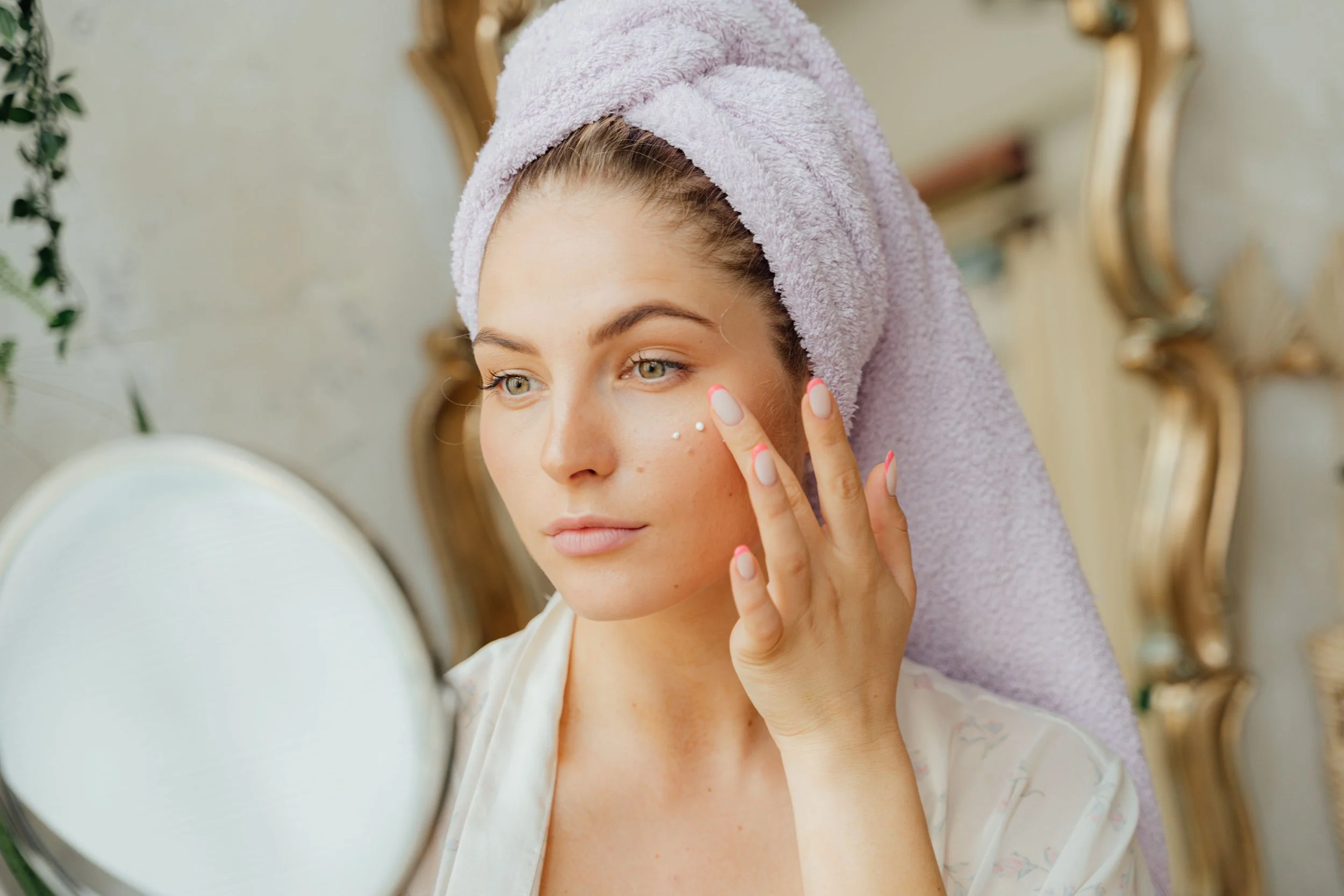
Keep Using It, but Only at Night
This has always been the rule, summer or not, but it matters even more right now. Retinol is naturally light sensitive and breaks down in sunlight, and it also increases how reactive your skin is to UV exposure while it is working. Using it at night lets it do its job while your skin is in repair mode, and keeps it out of the picture during the hours you are outside.
Why Does SPF Matter More With Retinol?
This part is not new information, but it deserves repeating, especially now.
Without Daily SPF, Retinol Won't Work
Retinol speeds up cell turnover, which reveals fresher skin underneath, and that fresher skin is more vulnerable to UV damage until it has had time to build its own tolerance. Skipping SPF, or applying too little of it, while using retinol in summer does not just risk a sunburn, it can quietly undo a real portion of the collagen building, tone evening work retinol is doing beneath the surface. One under protected afternoon can cost you weeks of consistent nightly use. This is the one step in the whole routine that truly cannot be optional right now.
Should You Scale Back Retinol in Summer?
For a lot of our clients, the honest answer is yes, though the adjustment is more about frequency than strength.
How Often to Use Retinol When You're in the Sun
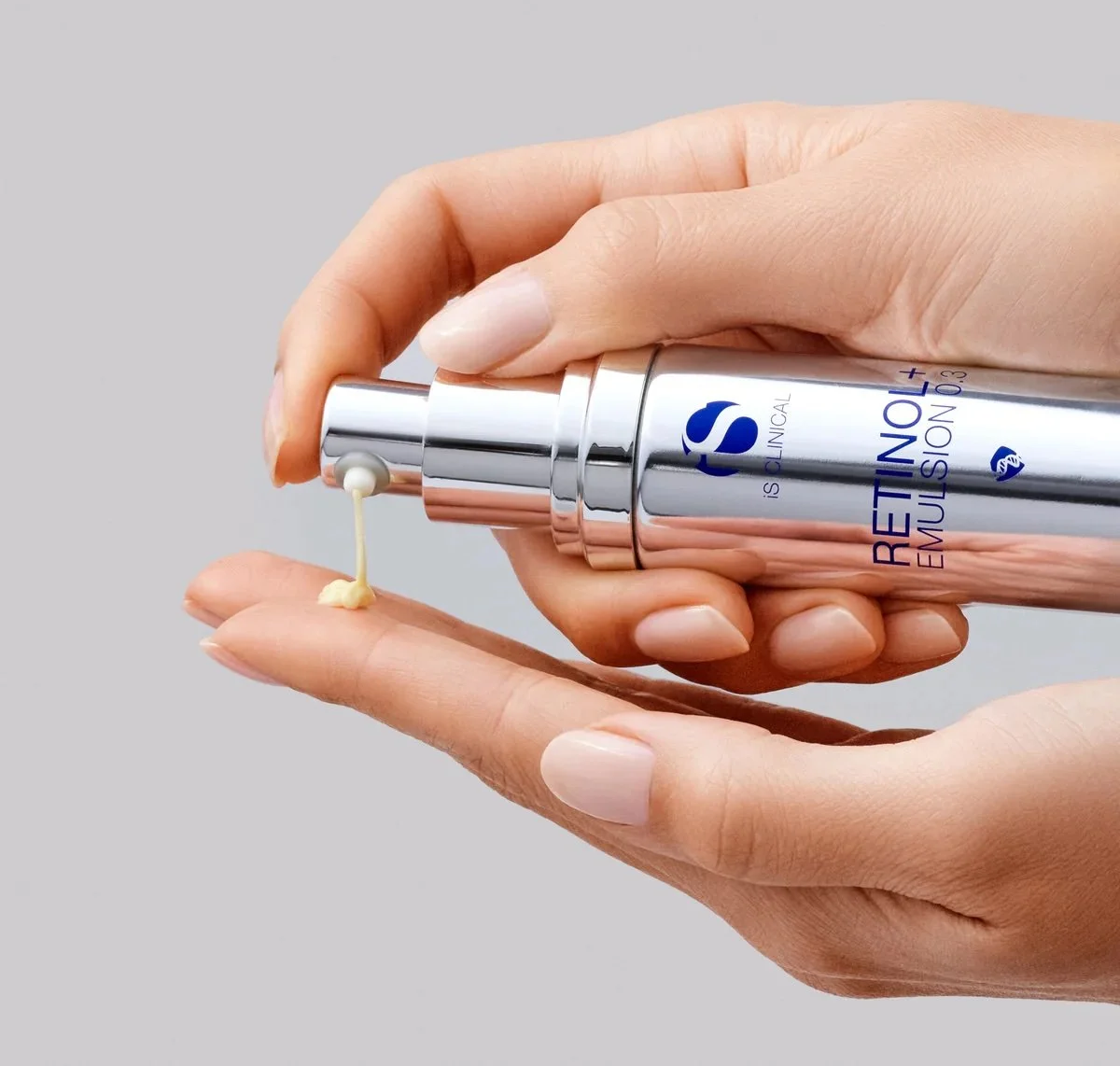
iS Clinical's Retinol+ Emulsion is one we love, and it is what most of our clients are already using at home. It pairs encapsulated retinol with bakuchiol, a plant based ingredient known for its own gentle vitamin A like benefits, along with a tripeptide, hyaluronic acid, and the brand's Extremozyme technology, which supports the skin's resilience against environmental stress. If your summer involves a lot of sun, travel, or sweat, the smarter adjustment is usually cutting back to every other night, or every third night if your skin is especially sun exposed, rather than switching products or stopping altogether. The goal is not to reduce what retinol does, it is to give your skin a bit more room to recover between applications during a season that already asks a lot of it. And if you have a longer trip coming up, especially one where you know you will be spending real hours in direct sun, it is worth stepping back even further, sometimes pausing a stronger retinol for those days entirely and leaning on SPF and antioxidants instead. There is no single rule that fits every trip or every client, the best guide is always your own skin.
The Sandwich Method, for Extra Sensitive Skin
If your skin tends to react even to a gentler formula, the sandwich method is worth trying. Apply a layer of moisturizer first, then your retinol, then another layer of moisturizer on top. That buffer softens how intensely the retinol reaches the skin, without meaningfully reducing what it delivers over time. It is a simple adjustment, and it is often the difference between skipping retinol out of frustration and being able to stick with it comfortably through the summer months.
What Is Environ's Approach to Vitamin A?
If you have never tried a daily vitamin A routine, this next part is worth knowing about, whether now or later in the year.
All Retinoids Are Forms of Vitamin A
It helps to know that retinol itself is just one member of a larger family called retinoids, the umbrella term for every form of vitamin A used in skincare, from the gentlest esters to prescription strength tretinoin. Vitamin A, in some form, is arguably the single most valuable antioxidant your skin can have, and it is really something everyone's routine should include daily, not just people already comfortable with retinol. Building that foundation gradually also makes a real difference down the road, skin that has been consistently supported with vitamin A over time tends to tolerate a stronger retinol far more comfortably than skin encountering it for the first time.
Environ's Step Up System
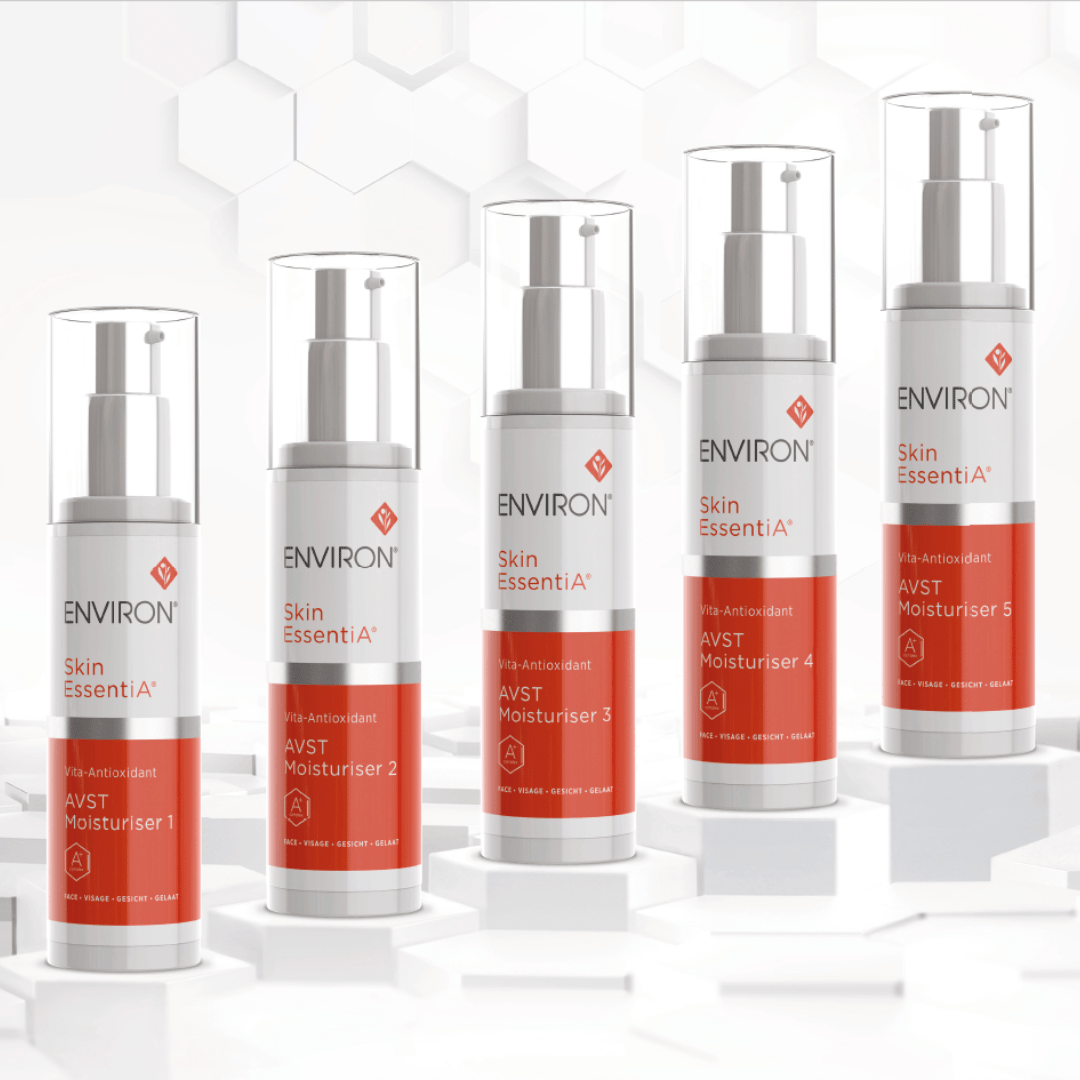
Environ takes a different approach here. Instead of leaning on one strong retinol a few nights a week, they build a foundation first, gentler vitamin A esters used at low doses every single day, gradually increasing in strength as your skin builds tolerance over months. Retinol still has a place in this system, once your skin is ready, an actual retinol serum gets layered in, but the constant throughout is a daily, morning and night vitamin A presence rather than an occasional strong dose. Because these esters are so much gentler on the skin than retinol, many clients can use them both morning and night rather than in the evening only, something you would not typically do with a stronger retinol during summer. Vitamin A is depleted from skin by light and air constantly, so this kind of daily, cumulative replenishment keeps a genuine reserve built up in the skin, and tends to deliver longer lasting, more visible results over time than an occasional strong application ever could, without the irritation that usually comes from jumping straight to something intense. This gradual approach also does something many people do not expect, it prepares your skin for a stronger retinol or prescription tretinoin down the road. Skin that has spent months building a real vitamin A reserve tends to meet that step up with far less redness and flaking than skin encountering it cold, because it already has adequate vitamin A on board. And because the reserve is replenished daily, there is rarely a reason to ever fully stop, morning and night use can simply continue right alongside whatever stronger step you add in later.
Where to Start With Environ Vitamin A
For most people new to this approach, we start with the AVST moisturizer, the gentlest entry point in the system. For clients with more mature skin, or anyone who has already been using retinol and wants to build from there, we typically move into the C-Quence range, gradually introducing higher concentrations of vitamin A as tolerance builds, and this can be used daily as well. Either way, the goal is the same, a small, sustainable daily habit that adds up to considerably more than an intense routine used inconsistently.
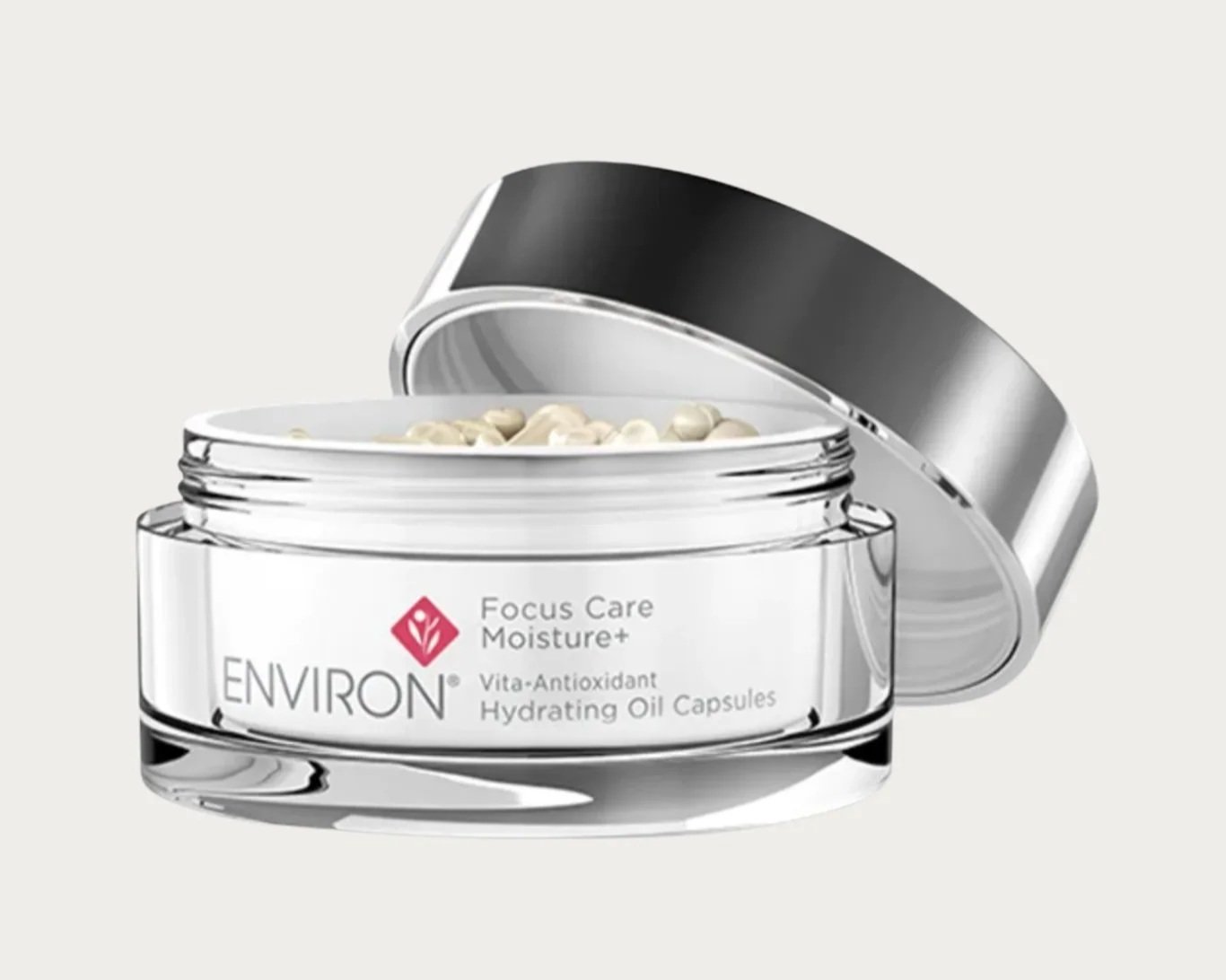
Starting Out with Dry Skin?
If your skin runs dry and you are nervous about adding anything that feels stripping, the Hydrating Oil Capsules are worth a look. Each capsule pairs a gentle dose of retinol with vitamin C, vitamin E, and lightweight plant oils, so you get real vitamin A input alongside immediate hydration rather than in spite of it. They can be used morning or night, layered under or over your moisturizer, and tend to be an easy, comfortable entry point for anyone whose skin needs extra comfort while it adjusts.
Stay Consistent This Summer at JE'DERM Skin Atelier
Whichever path you take, this really comes down to the same principle we return to again and again. Vitamin A, in any form, rewards patience and consistency far more than intensity. A gentler formula used daily, or a stronger one used a little less often this time of year, will always outperform a routine that stops and starts out of frustration or fear of the sun.
You do not need to choose between healthy summer skin and your vitamin A routine, you just need to use it a little more thoughtfully for the next few months. Whether that means adjusting how often you use your current retinol, trying the sandwich method, or exploring Environ's daily approach to vitamin A for the first time, we are happy to help you figure out what genuinely works for your skin right now.
Ready to talk through your routine before your next trip or long weekend outside? Come see us, and let's make sure your skin is set up for the rest of the season.