
The Skin Barrier: What It Is and How to Protect It
You have probably been hearing the words barrier and microbiome constantly lately, they are two of the most talked about words in skincare right now. They also tend to get used almost interchangeably, as if they mean the same thing. They do not. The barrier is structure, cells and lipids holding everything together. The microbiome is a living layer of bacteria sitting on top of that structure, and it needs its own kind of care. With fall approaching and routines about to shift along with the weather, this is exactly the right moment to understand the difference before you change anything.
What Is the Skin Barrier, and What Is the Microbiome?
The Skin Barrier, Explained
Your skin barrier is the outermost layer, made of skin cells held together by lipids like ceramides and fatty acids, essentially bricks and mortar. When it is intact, it keeps moisture in and irritants out. When it is compromised, hydration escapes and the skin becomes more reactive to everything from weather to your usual products.
A Living Layer With Its Own Needs
Sitting on top of that structure is the microbiome, a community of bacteria that helps regulate inflammation, defend against harmful organisms, and keep the skin's pH in the slightly acidic range it needs to function well. A healthy barrier and a healthy microbiome usually go together, but you can absolutely disrupt one while trying to protect the other.
What Disrupts Each One
Honestly, a lot of the same habits disrupt both. That is exactly why the two get confused so often. But a few specific factors hit one harder than the other, and that distinction is worth understanding.
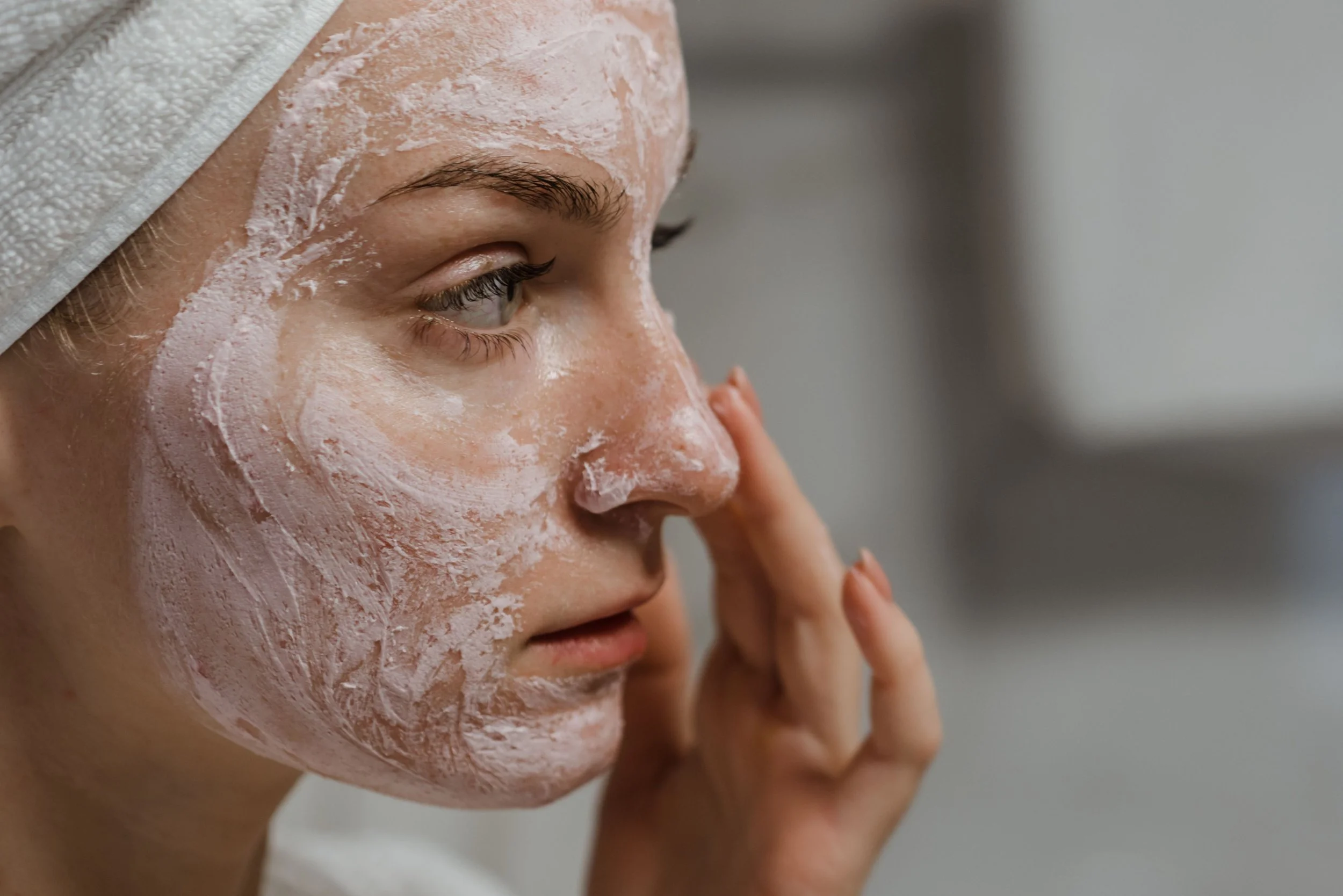
Over exfoliation can disrupt the barrier
What They Have in Common
Harsh cleansers, over exfoliating, and layering too many actives at once are hard on both the barrier and the microbiome in the same motion, stripping lipids and disturbing bacteria together. This overlap is the biggest reason routines that seem barrier friendly end up throwing off the microbiome too.
Where They Genuinely Differ
The barrier takes the brunt of physical and environmental stress specifically, cold dry air, hot water, and prolonged sun exposure wear down its lipid structure directly, regardless of what you are putting on your skin. The microbiome responds more to what is happening internally, stress and diet can shift the skin's pH and inflammatory response in ways that disturb bacterial balance even when your topical routine has not changed at all.
Why We Recommend Less, Not More
This is exactly why we favor one focused recommendation over a ten step routine, something we say often for a reason. It has always been part of how we approach skincare here, but it turns out this restraint protects both the barrier and the microbiome at once. Fewer, better chosen products mean less physical stripping and less disruption to bacterial balance, which is about as efficient as skincare philosophy gets.
What It Looks Like When the Microbiome Is Off
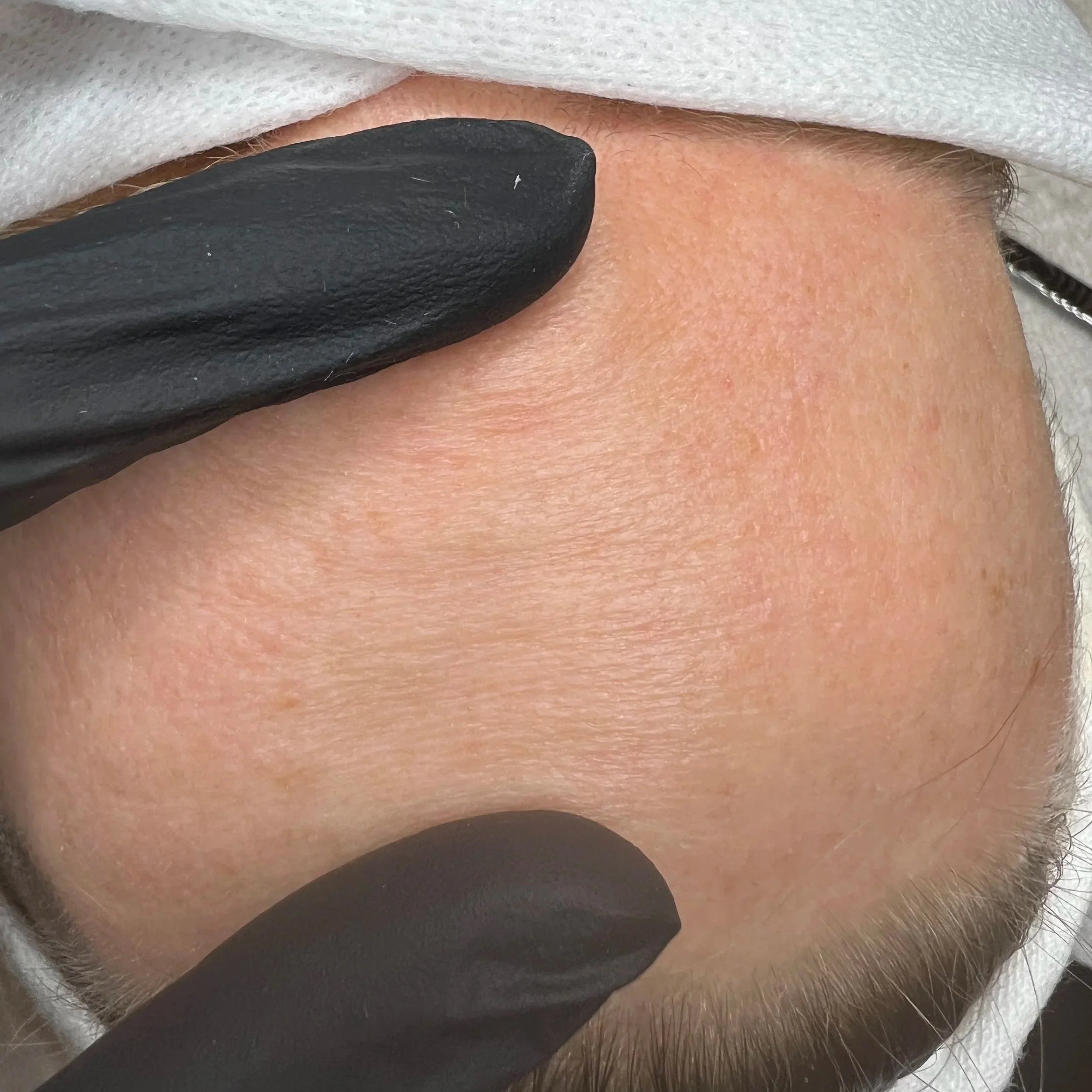
Forehead dehydration
Unexplained sensitivity, breakouts despite a routine that seems correct on paper, redness that does not match any obvious trigger, these are common signs the microbiome has been disrupted rather than the product itself being wrong for your skin. It is one of the more frustrating patterns we see, because it rarely looks like an ingredient problem. It looks like your skin simply stopped cooperating, even though nothing in the routine changed.
This is usually where people start adding more, another serum, a stronger cleanser, something targeted for the new irritation. More often than not, that instinct makes it worse. Less is almost always the better approach here, pulling steps back rather than piling more on, and giving the skin room to reset its own balance before reintroducing anything new.
How We Protect the Barrier and the Microbiome, In Treatment and At Home
The recovery tools we reach for often overlap, but the reason we reach for them is different depending on which one we are supporting.
In the Treatment Room
We lean toward gentle, non-stripping cleansers, and a consultation that often removes steps rather than adding them. If your home routine is doing more harm than good, we would rather tell you to stop using something than sell you the next thing to fix it. LED light therapy and Oxygen Therapy, already part of our Signature Bespoke Facial, play a calming, anti-inflammatory role that supports the skin without disrupting either the barrier or the bacteria living on it.
Start With a Gentle Cleanser
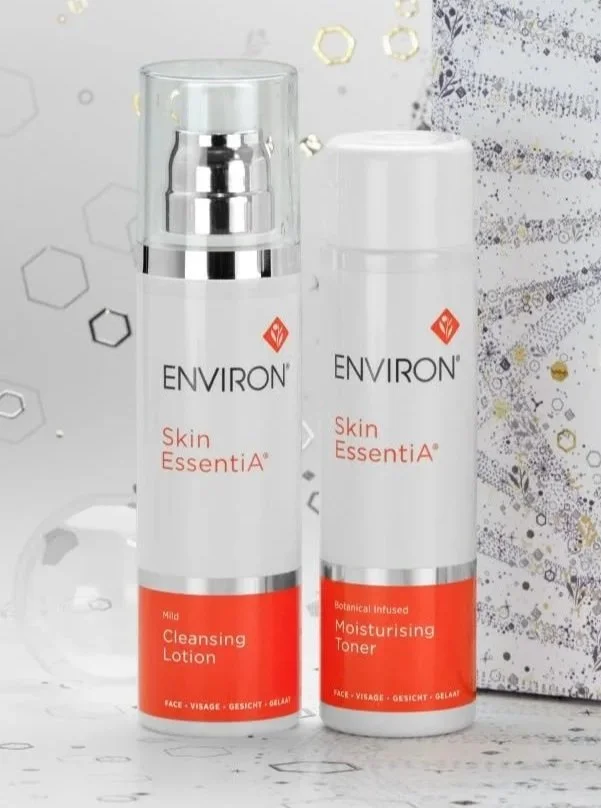
Everything else works better when this step is not fighting against it. Environ's Mild Cleansing Lotion is a favorite here, a creamy, low foam formula that cleanses without stripping, protecting both the barrier's lipids and the bacteria living on the surface in the same step.
Follow With the Right Toner
Toner is where the microbiome gets its support. Many cleansers leave skin slightly alkaline, and a toner helps bring it back to the naturally acidic range the microbiome needs to function well. We carry two options depending on your skin, Environ's Botanical Infused Moisturizing Toner and the Perfect B3 Spray Toner, which tends to suit more sensitive skin especially well.
Add a Weekly Mask for the Barrier
This is where the barrier gets its support. A rich, hydrating mask helps replenish lipids and calm skin that has been through a lot, sun, actives, travel, or just a long season. iS Clinical's Hydra-Intensive Cooling Masque is a favorite, soothing and hydrating enough for skin that is already irritated or sensitive. Environ's Revival Masque serves a different purpose, a gentle exfoliating mask for texture and renewal, best saved for calm skin rather than anything currently compromised.
Reach for a Balm When Skin Needs Extra Support
For anything feeling compromised or freshly treated, Circadia's Post Treatment Balm replenishes lipids and restores the barrier directly. It works well anytime skin needs that kind of support, not only after a professional treatment.
Protect What Is Already Working at JE'DERM Skin Atelier
The barrier and the microbiome are not the same thing, but they thrive under the same philosophy, less interference, more consistency, and care that supports what your skin is already doing rather than working against it.
Related reading: The Rise of 'Skinimalism': How to Simplify Your Skincare Routine
Ready to find out what your skin truly needs? Come see us, and let's build a routine that protects both.