
How to Choose the Right Vitamin C Serum for Your Skin
Here we are again, talking about vitamin C. We know it can feel like we are constantly talking about vitamin C and SPF, and if you are tired of hearing about it, please stay with us, there is a good reason it keeps earning its place in the conversation.
Vitamin C is incredibly versatile, but also one of the most inconsistent ingredients from brand to brand. Two products can list the same ingredient and behave completely differently on your skin, because of how each is formulated. We often hear clients say they don't like vitamin C, or that their skin is sensitive to it, which is exactly why not all vitamin C being the same matters. Let's start where it truly begins, with what antioxidants are doing for your skin.
Why Does Your Skin Need Antioxidants?
To answer that, we first need to talk about free radicals, since that is exactly what antioxidants are working against.
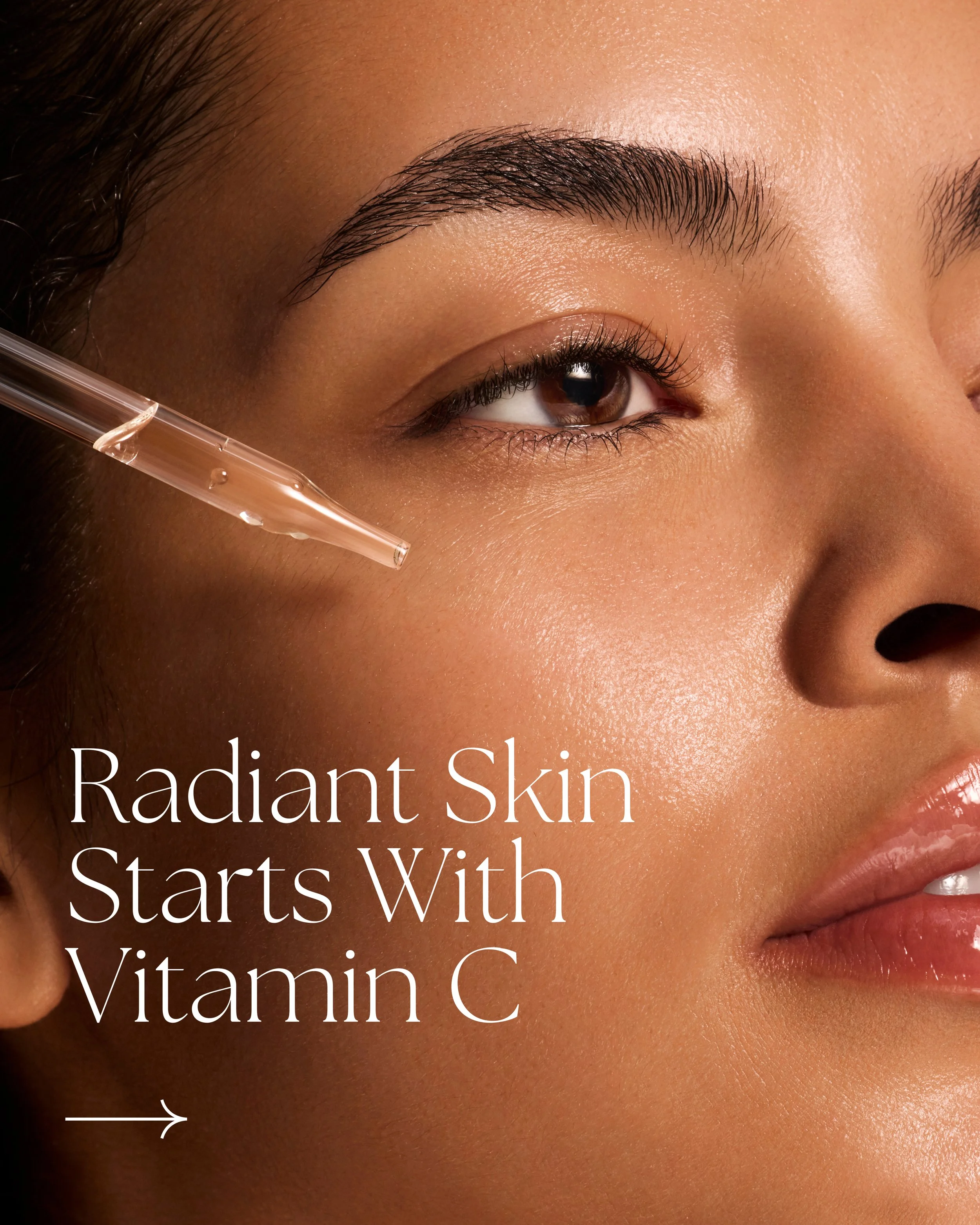
Free Radicals, Explained
You have probably heard the term more times than you can count, but do you know what they are? Free radicals are unstable molecules created by UV exposure, pollution, diet, smoking, and everyday environmental stress. Left unchecked, they break down collagen and elastin and speed up visible signs of aging, fine lines and wrinkles, dullness, and uneven tone, quietly, over months and years. This is exactly why antioxidants matter. They neutralize free radicals by donating an electron to stabilize them without becoming unstable themselves, stopping the damage before it spreads.
How Do Antioxidants and SPF Work Together?
SPF blocks or filters UV rays before they penetrate the skin, while antioxidants defend against the free radical damage that gets through anyway, since no sunscreen blocks one hundred percent of UV exposure. Think of SPF as your first line of defense and vitamin C as the backup that cleans up whatever slips past it. Beyond that, vitamin C also supports collagen production and helps even out skin tone, adding a brightness few other antioxidants deliver on their own.
Related reading: The #1 Cause of Skin Aging: Why Sun Protection and SPF Matter
Formulating Vitamin C Well Is Trickier Than It Looks
Why Does Vitamin C Oxidize So Easily?
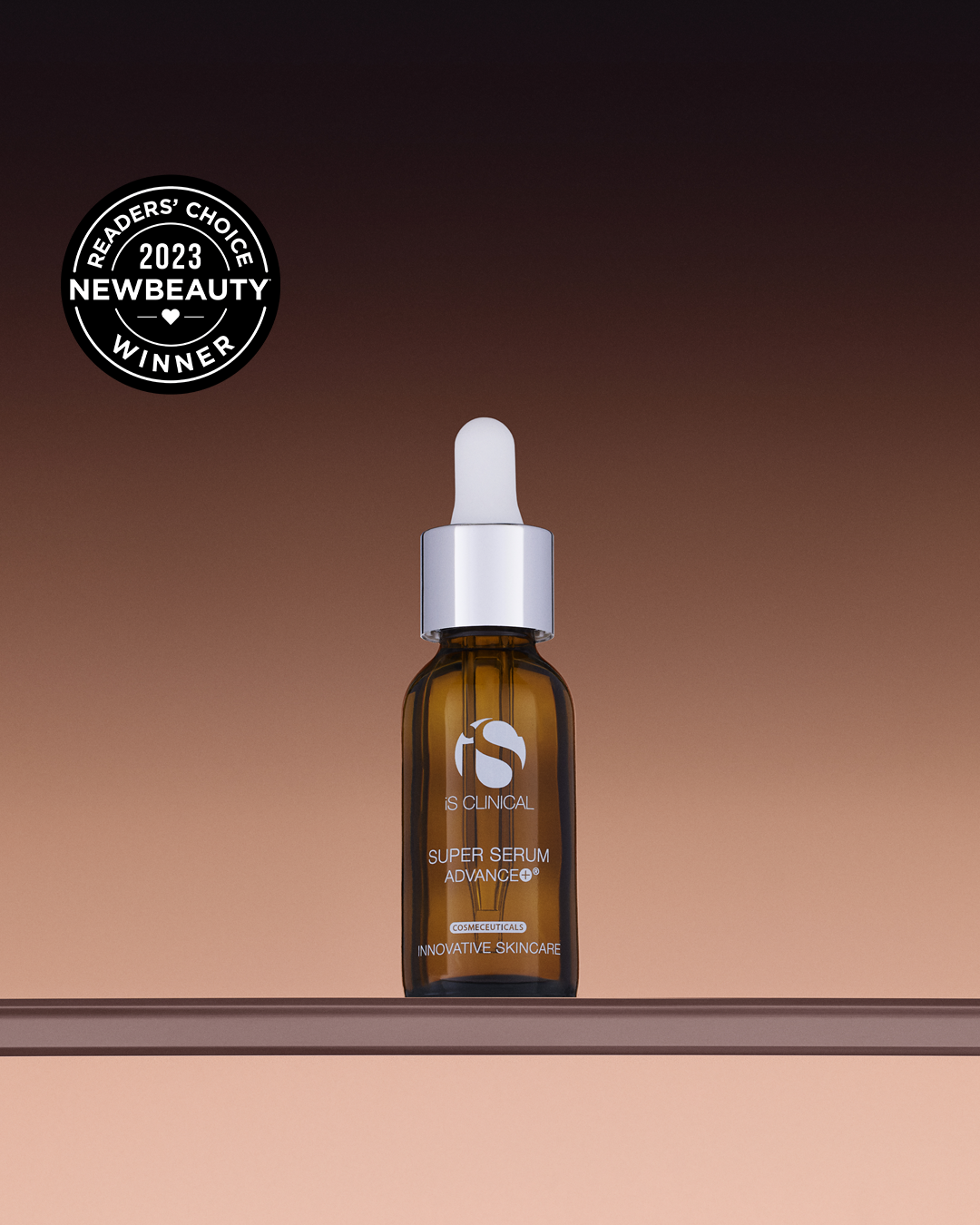
Everyone knows vitamin C can oxidize. What is less understood is why it happens and what that means for your skin. The most common form, L-ascorbic acid, is one of the least stable ingredients in skincare, breaking down when exposed to air, light, or the wrong pH. A serum that has darkened into a deep copper or amber tone, or developed a strong, sour smell, has likely oxidized. A pale yellow tint on its own is normal for many vitamin C formulas and does not mean anything has gone wrong.
Does a Dropper Mean It Will Oxidize Faster?
This is a common worry, and it makes sense, a dropper looks less sealed than a pump. In reality, what keeps a vitamin C serum stable has far more to do with the formulation itself, the pH it is balanced at and the supporting antioxidants that protect it, than with the bottle it comes in. Both our iS Clinical and Circadia vitamin C serums are packaged in droppers, and both are formulated to hold up to that brief, repeated air exposure. The dropper is not the risk. The formulation behind it is what does the work.
Are There Different Types of Vitamin C?
Yes, several, and none is universally better than the rest. L-ascorbic acid is the most researched and most potent form, and on its own, at high concentrations, it can feel intense for sensitive skin. But the raw ingredient does not tell the whole story, our Pro-Heal Serum Advance+ is built on L-ascorbic acid, yet formulated to suit compromised or rosacea prone skin. Magnesium ascorbyl phosphate, the form Circadia uses, is not active on its own, your skin's enzymes convert it into usable vitamin C after it absorbs, which is why it feels gentler and acts more gradually than L-ascorbic acid, already active the moment it touches skin. The right one depends on what your skin can handle and how it is formulated.
Which Vitamin C Serum Do We Recommend?
Our iS Clinical Vitamin C Serums
iS Clinical earned its reputation the hard way, through real research into keeping L-ascorbic acid stable and effective from the first use to the last drop, backed by clinical testing that tracks real changes in skin over time. That research matters more than any bonus ingredient on the label, which is why we trust the brand across three formulations. Pro-Heal Serum Advance+ leans calming, built for compromised, blemish prone, sensitive, red, or rosacea prone skin. Super Serum Advance+ adds copper peptides for a more firming, anti-aging focus. GeneXC Serum takes a different approach entirely, using proprietary enzyme technology that works at the level of gene expression to help support the skin's own repair process, which is why we consider it the most advanced of the three.
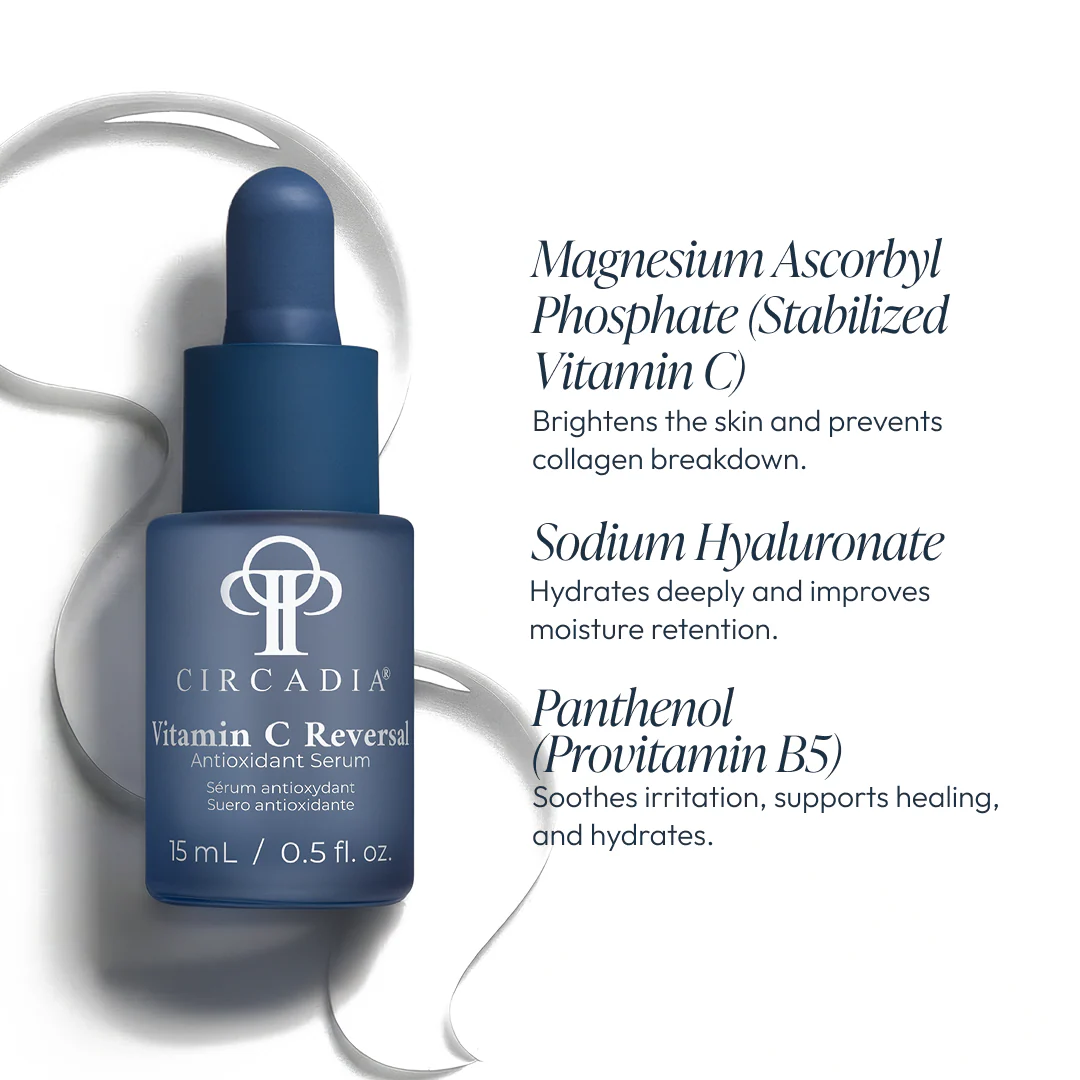
Our Circadia Vitamin C Serum
Circadia Vitamin C Reversal uses magnesium ascorbyl phosphate, the gentler form described above, which is exactly why it is one of the best starting points if you have never used a vitamin C serum before, or if your skin tends to react to actives.
Which One Should You Start With?
You cannot go wrong with either, they are formulated and priced differently, reflecting two approaches, not one better than the other. New to vitamin C or sensitive skin, start with Circadia. Already tolerate actives well, our iS Clinical range gives more specific options depending on your goals. Still unsure? That is a decision we would rather help you make in person than have you guess alone.
How to Get the Most Out of Vitamin C
When Should You Apply It?
Morning is best, right after cleansing and before moisturizer and SPF, since this is when antioxidant protection does the most work, defending your skin through the day rather than during its overnight repair window.
Can Vitamin C Help With Hyperpigmentation?
Used consistently, a good vitamin C serum helps prevent new discoloration and keeps existing unevenness from getting worse. If hyperpigmentation is your main concern, though, vitamin C alone is a great start, not the whole answer, look into treatments built specifically around pigment, with targeted ingredients designed for that job. Vitamin C supports the bigger picture, it is not a substitute for a dedicated plan.
Find Your Vitamin C Match at JE'DERM Skin Atelier
Good skincare rarely comes down to one hero ingredient, it comes down to the right formulation for your skin, used consistently. Vitamin C has earned its place in our routines, and in our clients' routines, because we trust exactly how it is made.
Related: The Rise of 'Skinimalism': How to Simplify Your Skincare Routine
Ready to find your vitamin C match? Come see us, and let's figure out which one is right for you, no guesswork, no pressure. You can also browse our SHOP and discover results-driven skincare, all handpicked by us.