
Rosacea Awareness Month: What Actually Helps Rosacea Prone Skin
April is Rosacea Awareness Month, and we wanted to dedicate this one to one of the most misunderstood conditions we see every day. If you have ever dealt with persistent redness, flushing that comes out of nowhere, or skin that feels reactive no matter what you put on it, this one is worth reading.
Rosacea affects millions of people and yet it is one of the hardest conditions to get right. It is often mistaken for sensitivity, acne, or just skin that runs red. For many people it takes years to get a proper diagnosis, and even longer to figure out what actually helps. Beyond what shows up on the surface, rosacea affects confidence, it changes the way people choose products, what they eat and drink, and how they move through their day. That weight is real, and it deserves to be taken seriously.
We cannot diagnose rosacea, that is a dermatologist’s role. But what we can tell you, from years of working with clients who have it, is that the right skincare approach and the right professional support makes a very real difference in how the skin looks, feels, and behaves day to day.
What Is Rosacea and Why Is It So Hard to Pin Down
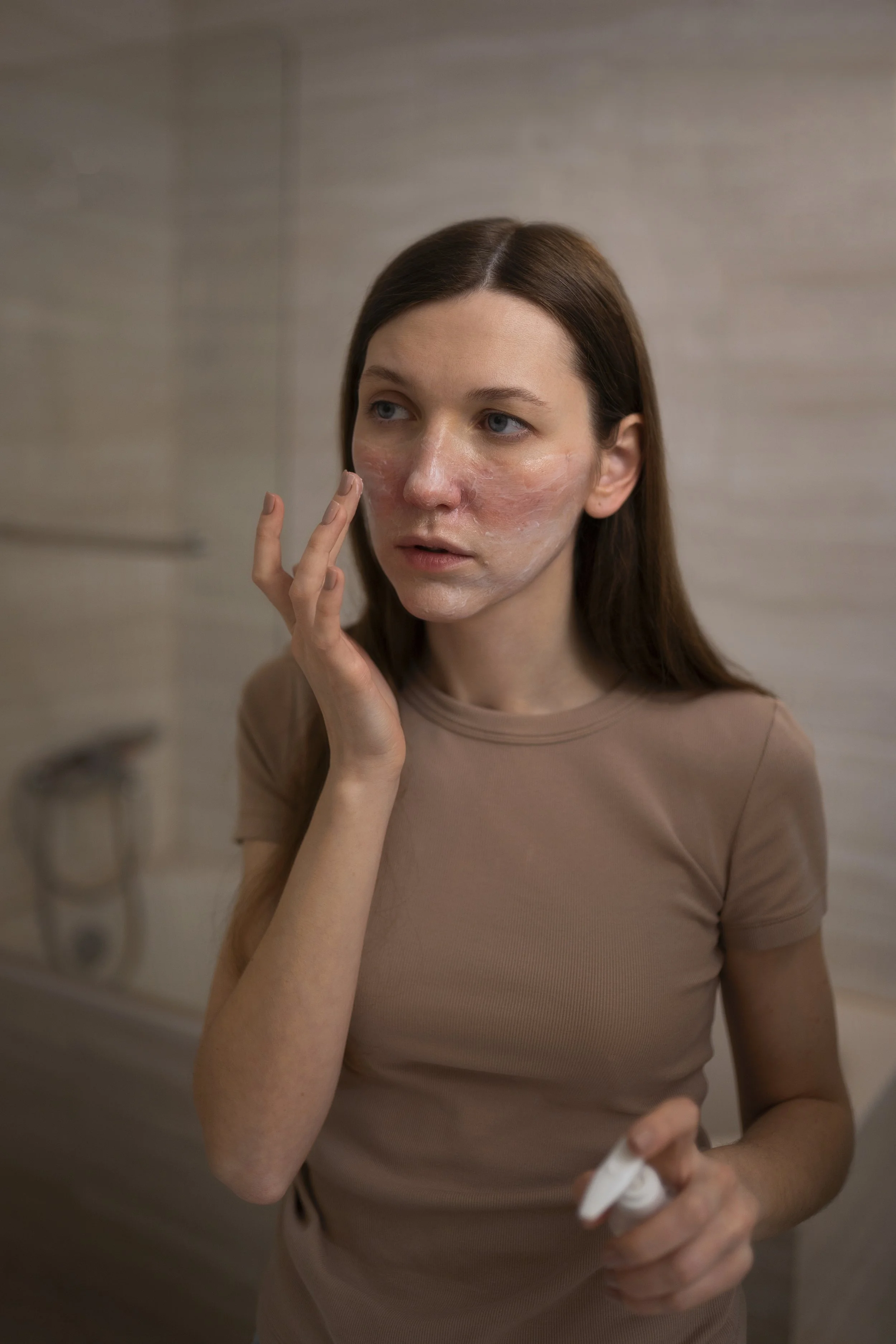
Rosacea is a chronic inflammatory skin condition that most commonly shows up as persistent redness, visible blood vessels, and in some cases acne-like breakouts that are not quite acne. It tends to come and go, which is part of what makes it so frustrating. On a good day the skin looks calm. On a bad day, a glass of wine or a shift in temperature can trigger a flare that takes days to settle.
It does not look the same on everyone either. On fair skin, redness and flushing are the obvious markers. On deeper skin tones it may show up as warmth, dryness, or a burning sensation rather than visible redness, which means many people go without the right answers for longer than they should. It is also frequently confused with general sensitivity or adult acne, leading to years of the wrong products and the wrong approach.
The exact cause is not fully understood, but research points to a combination of factors including genetics, an overactive immune response, and dysfunction in the skin’s blood vessels. There is also growing evidence of a connection to Demodex mites, which are naturally present on everyone’s skin but appear in higher concentrations in people with rosacea. This is part of why rosacea responds differently than general sensitivity does. The underlying biology is distinct.
If you suspect rosacea, a dermatologist is the right first step.
For a full breakdown of causes, types, and symptoms, read : How to treat and manage rosacea.
Rosacea Triggers and Lifestyle Factors That Affect Your Skin
Managing rosacea is not just about what you put on your skin. Understanding your personal triggers is one of the most empowering things you can do.
Common Rosacea Triggers to Watch
Triggers are highly individual, but some of the most common ones include:
• Sun exposure
• Heat, whether from weather, hot showers, exercise, or cooking
• Stress
• Alcohol, particularly red wine
• Spicy foods
• Certain skincare ingredients
• Hormonal fluctuations
Not everything on this list will affect you, and some people have triggers that are not on it at all. Keeping a simple journal of when flare-ups happen and what preceded them can help you identify your own patterns over time. It takes a little effort but the clarity it provides is genuinely worth it.
The Gut and Rosacea Connection
Research increasingly points to a connection between gut health and rosacea, and in our experience, when clients reduce inflammatory foods, alcohol, and processed sugars, their skin often follows. Internal inflammation and skin inflammation are more connected than most people realize, and paying attention to what you eat is a meaningful part of managing rosacea well.
Building the Right Skincare Routine for Rosacea Prone Skin
Rosacea prone skin needs gentleness, consistency, and ingredients that calm rather than stimulate. We love working with Circadia for this because they have an entire range dedicated to red and rosacea prone skin, and honestly, the results we are seeing in our clients speak for themselves.
1. Cleanse gently every day
A gentle sulfate-free cleanser morning and night is the foundation. Environ’s Mild Cleansing Lotion is an excellent options that remove impurities without compromising the skin’s natural balance.
2. Calm and protect with antioxidants
Antioxidants help reduce inflammation and reinforce the skin’s natural defenses. Circadia’s Chrono-Calm Serum is one of our favorites for visibly reducing redness and soothing reactive skin. Serum 71 offers additional support with tranexamic, mandelic, and azelaic acids, all of which are well tolerated by rosacea prone skin and genuinely effective at calming inflammation over time.
3. Exfoliate with care
Rosacea prone skin still benefits from exfoliation but the approach matters enormously. Enzyme-based exfoliants are the gentlest starting point, and the Warming Honey Cleanser provides mild enzymatic exfoliation while cleansing, making it a comfortable daily option for reactive skin. For a slightly deeper weekly reset, Environ’s Revival Masque uses lactic and glycolic acid to gently lift buildup without aggravating the barrier.
4. Moisturize and support the barrier
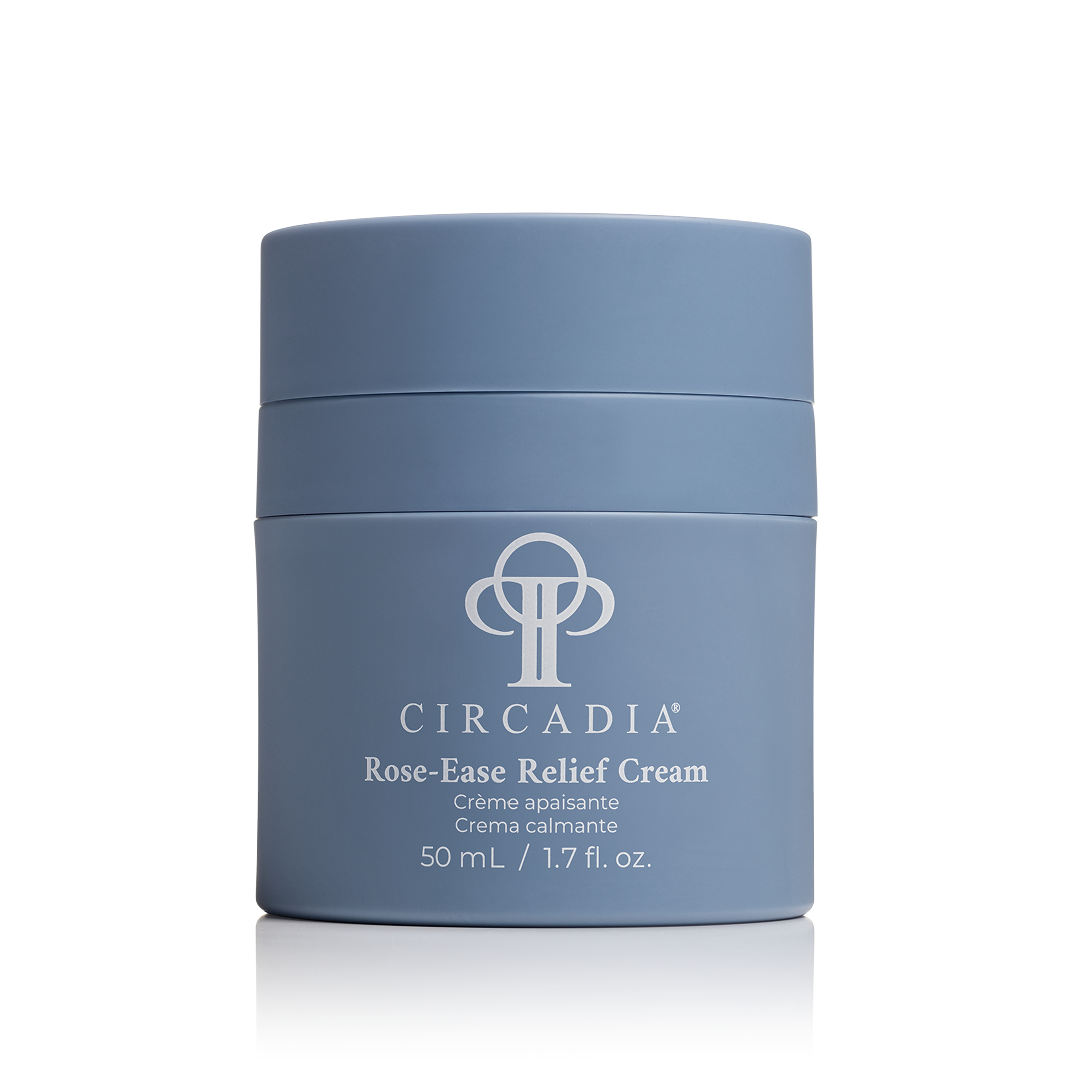
Hydration and barrier repair are non-negotiable. Circadia’s Tranquili-Cream and Rose-Ease Relief Cream are both formulated specifically for rosacea prone skin. Tranquili-Cream targets visible redness reduction, while Rose-Ease works beautifully at night, calming irritation with its anti-inflammatory and anti-microbial properties, and helping keep Demodex mites in check. For extra soothing throughout the day, the Aloe and Calendula Calming Mist is a beautiful addition.
5. SPF every single day
Sun exposure is one of the most consistent rosacea triggers. Daily broad-spectrum SPF is non-negotiable. If your skin reacts to chemical filters, a mineral zinc oxide formula is a gentler option.
What Professional Treatments Can Do for Rosacea Prone Skin
Often, clients with rosacea or red, reactive skin feel nervous about getting a facial or think it is something they should avoid altogether. We understand that hesitation, but rosacea prone skin can absolutely benefit from professional treatment when the skin is treated with care and the approach is fully customized.
How We Treat Rosacea Prone Skin at JE’DERM
At JE’DERM skin atelier, every treatment begins with a careful assessment of how the skin is behaving that day. For rosacea prone skin, we adjust everything accordingly. That is the beauty of our Signature Bespoke Facial. It is fully customized to the client, allowing us to choose the right products, modalities, and LED light therapy to gently calm inflammation, reduce visible redness, and support the skin without overstimulating it.
CoolJet Plasma with Exosomes for Rosacea Prone Skin
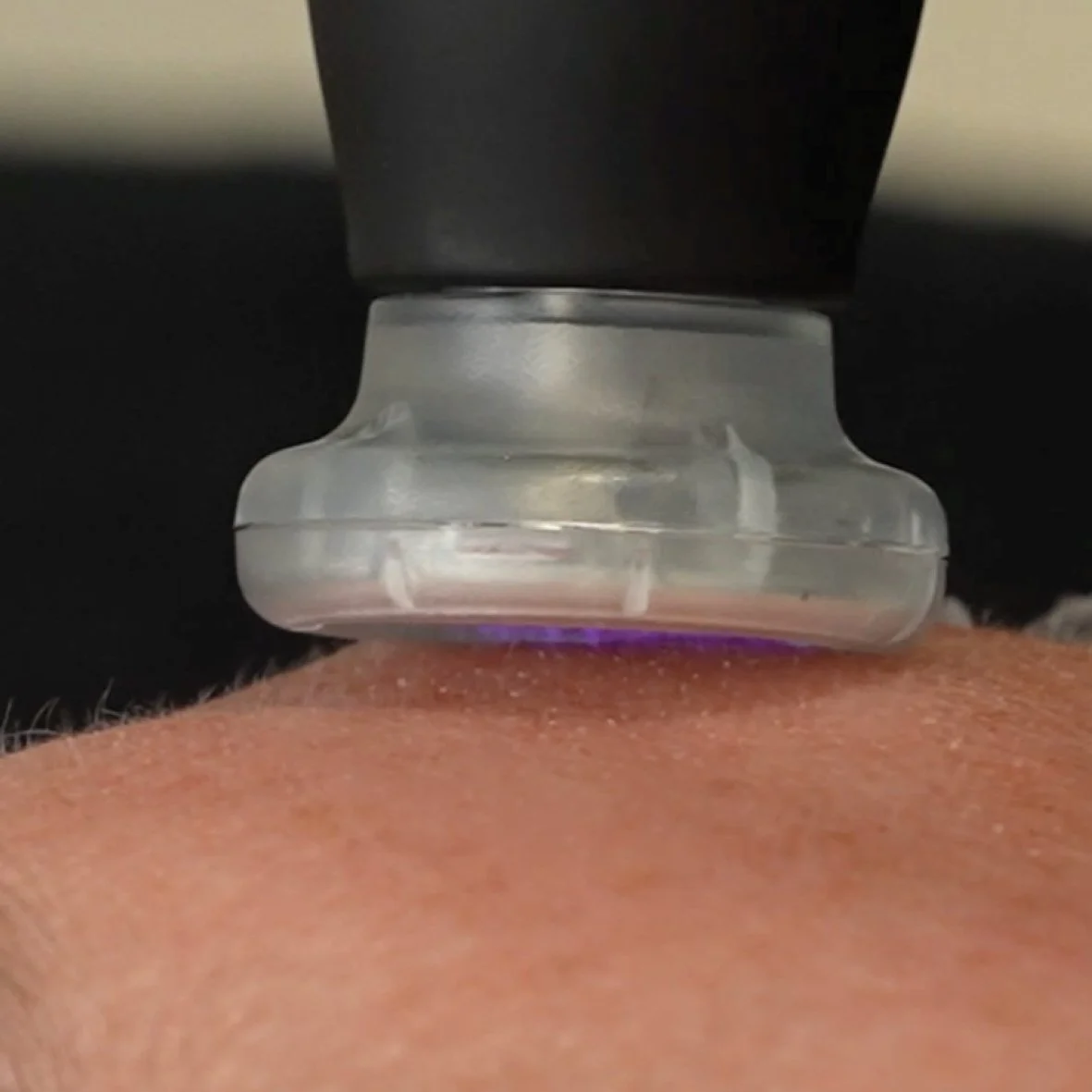
CoolJet Plasma is one of our favorite treatments for rosacea prone and reactive skin, and for good reason. When the plasma interacts with oxygen, it creates a calming, antibacterial effect that helps reduce inflammation and visible redness in a way topical skincare alone cannot. Rosacea and other reactive skin conditions often respond beautifully to cold plasma because it helps support the skin while calming irritation at the source.
At the same time, the treatment creates tiny pathways in the skin that allow exosomes and other active ingredients to absorb more deeply and work more effectively. This is a treatment that works best as a series, and when clients commit to that, the results are really beautiful. Skin looks calmer, stronger, and more resilient, with less visible redness. No heat, no downtime, and no risk of triggering a flare.
Related read: Exosomes in skincare: Why they work differently
Managing Rosacea Is a Long Game and It Is Worth Playing
Rosacea is a chronic condition, and while there is no permanent cure, it can be managed beautifully with the right approach. With a consistent home routine, a better understanding of your triggers, and ongoing professional support, rosacea prone skin can look and feel significantly healthier. Many clients go from feeling frustrated and limited by their skin to feeling much more comfortable and confident in it, and that kind of progress is absolutely possible.
If you are dealing with persistent redness or reactive skin and are not sure where to start, book your Signature Bespoke Facial and come see us. We will figure it out together.