
How to Repair Your Skin Barrier After a Harsh NYC Winter
By the time we reach this point in the year, most of us in New York are more than ready for spring. Especially after a winter like this one, with those colder stretches and unexpected snow, both we and our skin are ready for a shift. Months of cold air and constant indoor heat quietly take their toll. Your skin may not be inflamed or severely dry, but it often feels less resilient, slightly tight, and just simply dull.
At the atelier, Judit and I frequently hear the same frustration: makeup no longer sits properly on the surface, and products seem to just sit on top of the skin rather than absorbing. This is usually when the dullness and flakiness become impossible to ignore, you’ve simply had enough of the winter fatigue and are ready for your skin to feel hydrated and healthy again.
Why Your Skin Feels Different Right Now
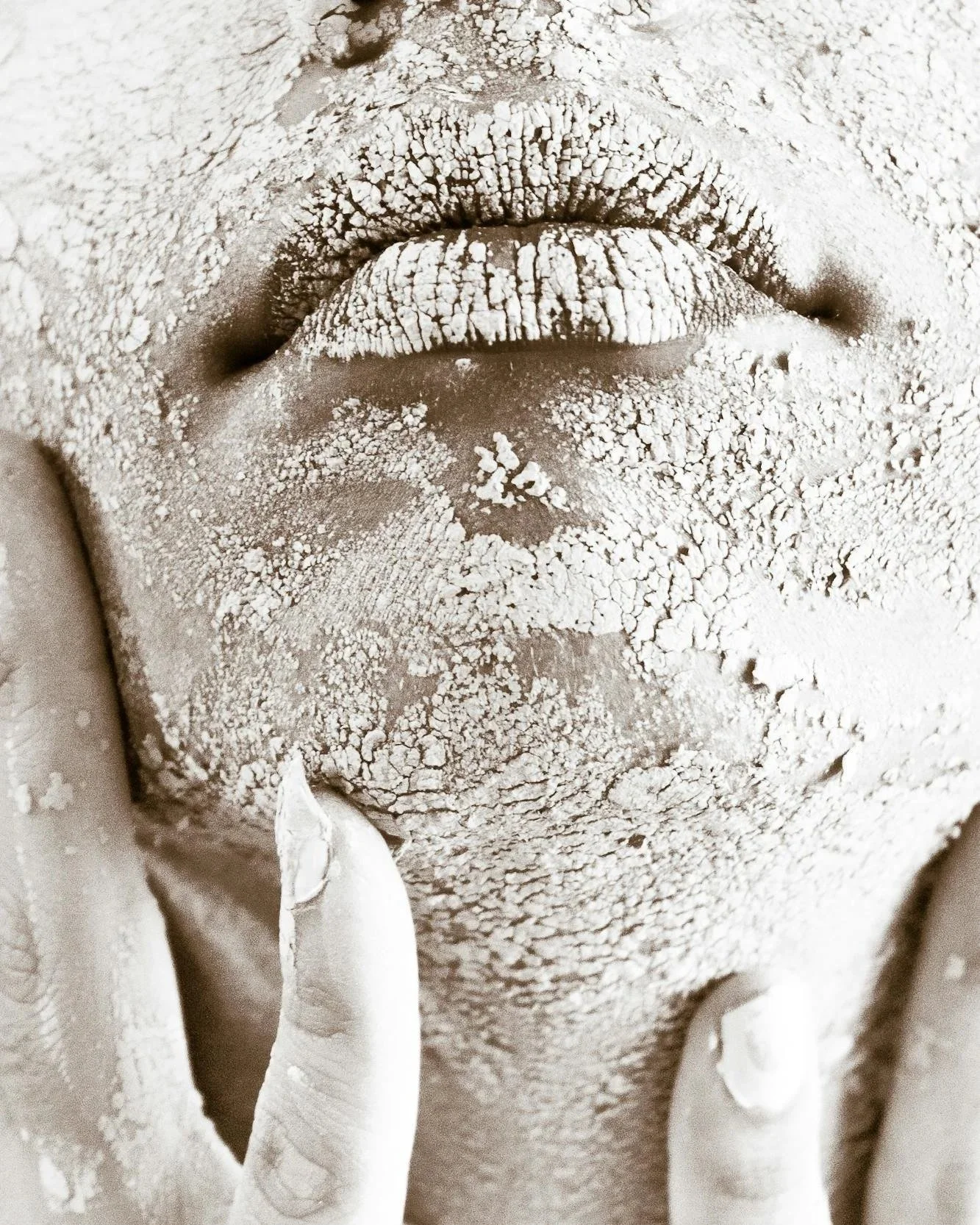
Winter affects the skin gradually. Cold air contains very little moisture, and indoor heat continuously pulls hydration from the skin, increasing what we call transepidermal water loss, or TEWL. Over time, your natural renewal process slows, and dead skin cells begin to linger on the surface longer than they should.
By late winter, the change is subtle but noticeable. The skin can feel tighter, look duller, and show small areas of flakiness. Sometimes there is mild congestion, not because the skin is overly oily, but because buildup and dehydration are happening at the same time.
For those who are consistent with their routine, this shift can feel frustrating. You are doing what you have always done, yet the skin does not respond quite as quickly as it did earlier in the year. At this stage, the solution is not to push harder, but to restore function and support the barrier intentionally.
What the Skin Barrier Actually Does
Your skin barrier is your first line of defense, keeping hydration in and protecting against NYC pollution and environmental stress. It is made up of skin cells held together by lipids like ceramides and fatty acids. When this structure is intact, your skin retains water effectively and appears smooth.
When the barrier is compromised, hydration escapes. This is why simply applying a heavier moisturizer rarely solves the problem. Dehydration is a lack of water, not oil. If hydration is not replenished correctly and the surface is not receptive, thicker creams will simply sit on top without improving how the skin actually functions.
Common Missteps in Seasonal Recovery
When skin feels dull at the end of winter, the instinct is usually to either layer on heavier products or scrub until it feels smooth again. Both reactions are understandable, but neither addresses what the skin truly needs.
Sealing Without Hydrating
Applying heavy oils or rich creams on top of dry, flaky skin without first removing buildup and adding hydration often leads to congestion without improving moisture levels. If dead skin cells are sitting on the surface, heavier products simply sit on top of them.
The better approach is simple. Gently exfoliate first. Follow with water-based hydration so the skin can absorb and bind moisture properly. Then seal with a richer moisturizer or oil if needed. Hydration comes before occlusion.
The Scrub Reflex
When skin looks dull, the natural response is to scrub harder or reach for stronger acids. Renewal is important, but aggressive exfoliation can weaken an already stressed barrier and leave the skin looking more reactive instead of refreshed.
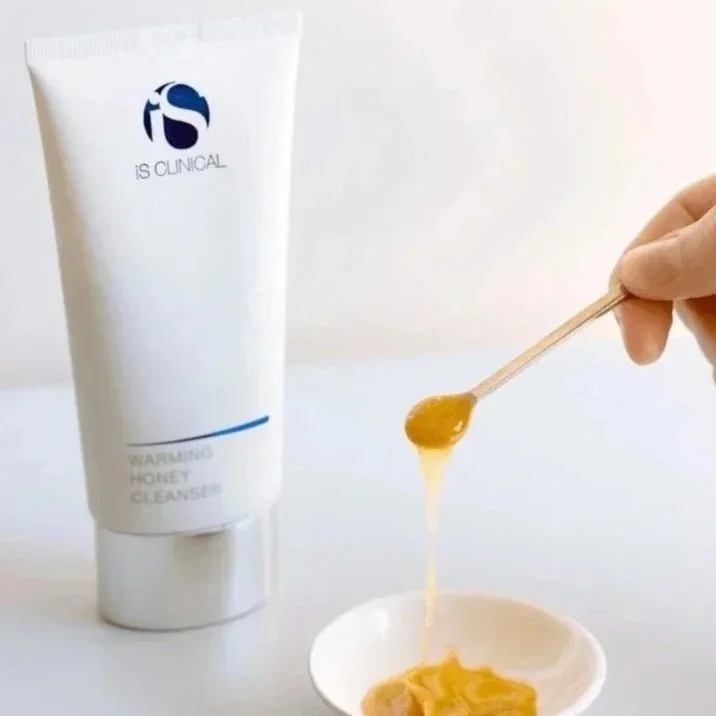
A lighter scrub, an enzymatic cleanser ( Warming Honey Cleanser) , or a controlled acid-based mask like Revival Mask from Environ is usually far more effective. The goal is gentle refinement, not stripping. This is the month to repair and restore, not to over-exfoliate.
How to Reset Your Skin at Home
The goal right now is controlled renewal. We aren't looking to strip the skin; we are looking to clear the path so your products can actually do their job.
Gentle Strategic Exfoliation
After a New York winter, there is often a layer of compacted dead skin cells that prevents products from absorbing efficiently. We recommend a "slow and steady" approach. For many of our clients, iS Clinical Active Serum works beautifully when introduced gradually. It supports renewal without aggressively stripping the barrier. If you prefer a more restorative texture, the Environ Hydrating Clay Mask used once weekly helps smooth the surface while maintaining essential moisture levels.
Rebuild Hydration and Lipids
Once the surface is receptive, rebuilding the lipid layer is essential. We rely on Environ AVST moisturizers because Vitamin A is a "normalizer"—it tells the skin how to function correctly again and strengthens the barrier from within. For those who feel particularly depleted, iS Clinical Reparative Moisture Emulsion provides a concentrated dose of pharmaceutical-grade botanicals and antioxidants that soothe the skin without a heavy, greasy finish.
Advanced Hydration Layering
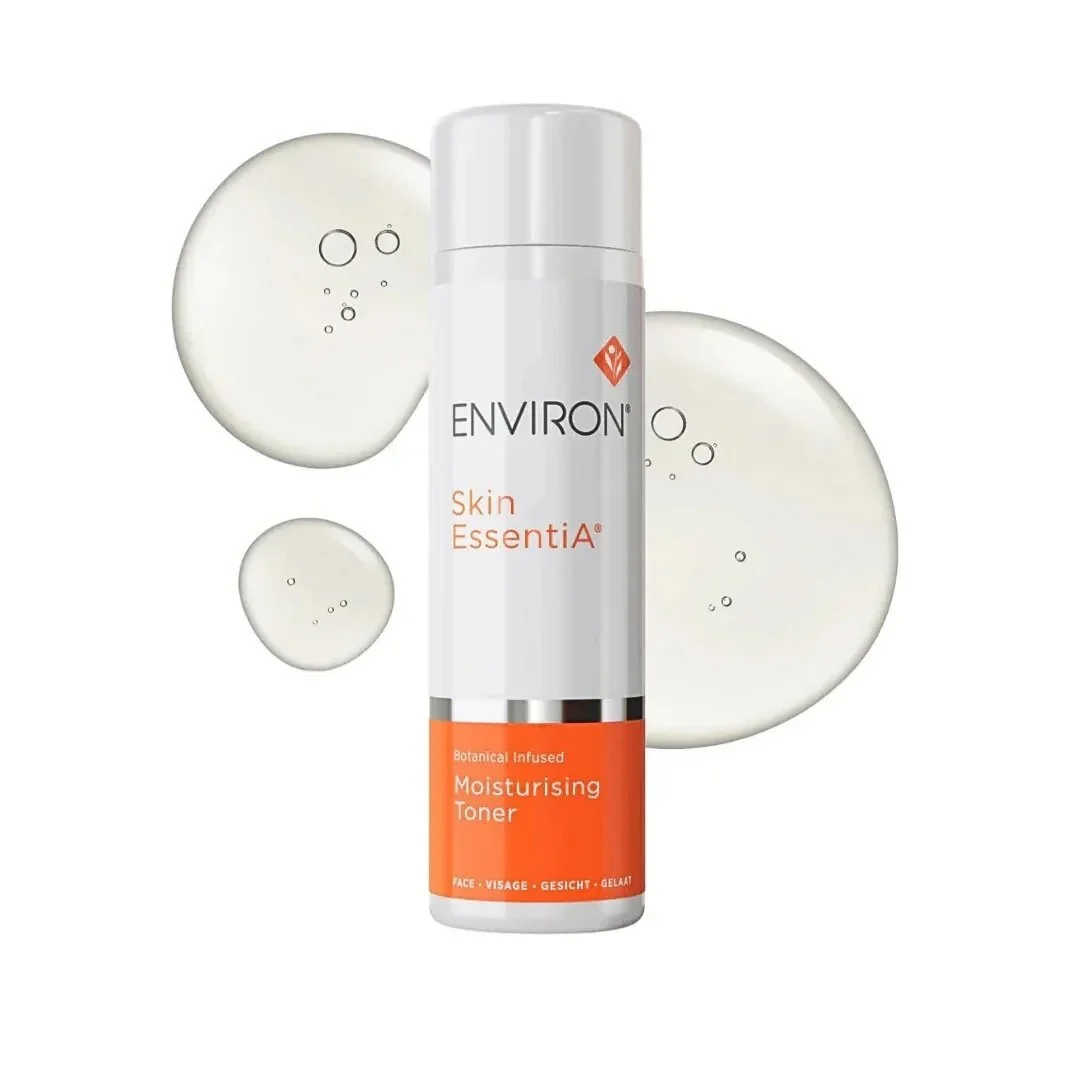
Don't underestimate the power of a mist or water-binding serum. Using something like the Botanical Infused Hydrating Toner before your moisturizer allows the skin to "grab" onto that moisture. Think of it like a sponge: a damp sponge absorbs more than a bone-dry one. This step ensures that your expensive creams aren't just sitting on the surface.
Related reading : Transitioning From Winter to Spring Skincare
The Professional Advantage: How We Reset the Foundation
While homecare is your daily support, a professional treatment at the atelier provides the deep reset that topical creams alone cannot achieve. In our Signature Bespoke Facial, we use targeted modalities that support barrier repair and long-term skin health.
Oxygen Therapy (Spray and Dome)
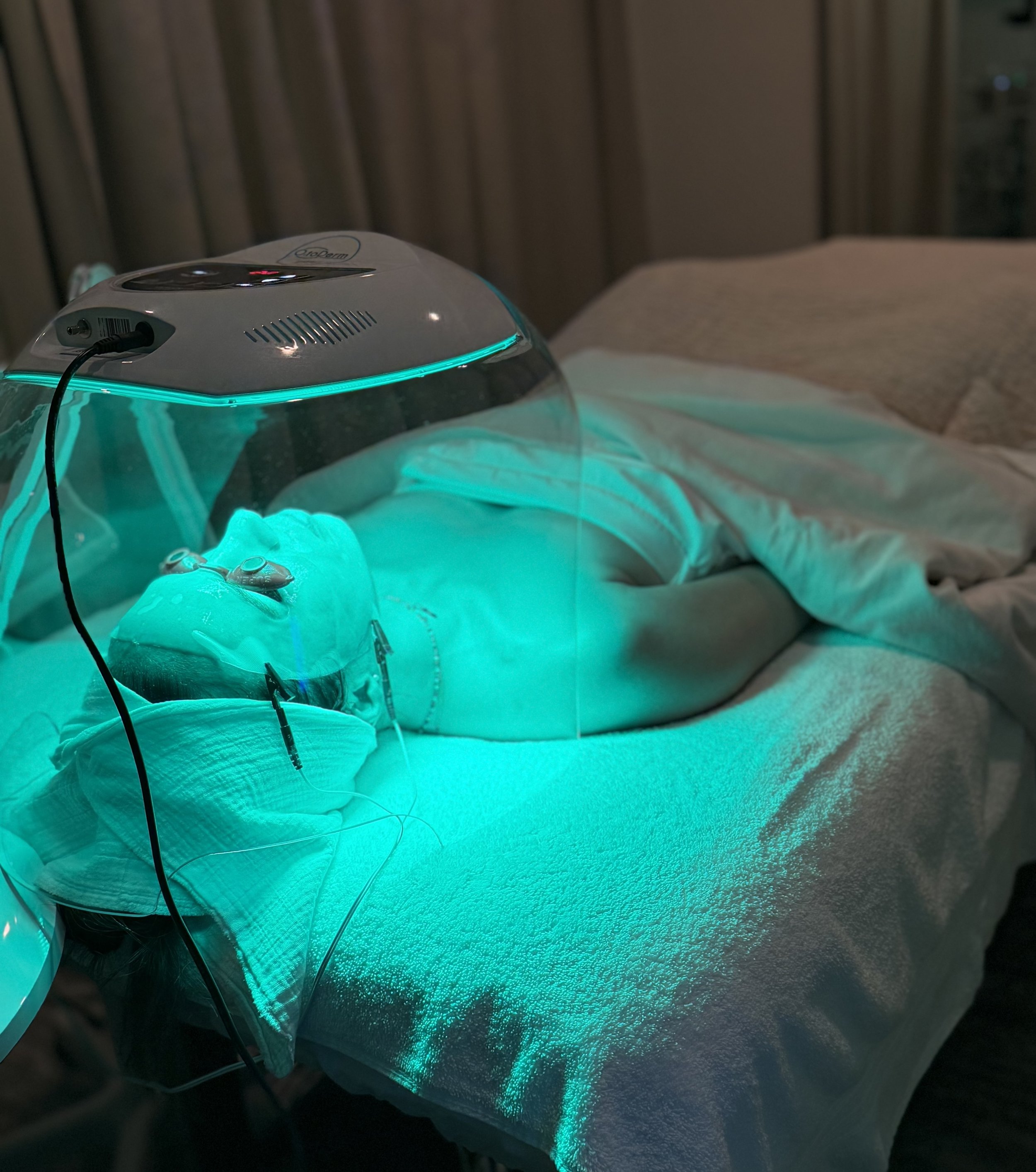
Barrier-repair Green LED and oxygen therapy
The oxygen spray delivers concentrated, skin-supportive serums while encouraging circulation and cellular activity. The dome enhances this effect by bathing the skin in oxygen-rich air, supporting healing and overall vitality.
After flights, sun exposure, or environmental shifts, the skin often benefits from increased oxygenation. This treatment helps calm, brighten, and re-energize the skin without irritation. It is ideal when the goal is to restore clarity and resilience rather than aggressively resurface.
Targeted LED Phototherapy
We use specific wavelengths of light to talk to your cells. Green light, in particular, is incredible for reducing the "winter redness" often seen in NYC. It encourages the skin to produce its own ceramides and structural proteins. It isn't just a "glow" treatment; it’s a rebuilding treatment that thickens the skin barrier over time.
Low-Frequency Sonophoresis
We use sound waves to create temporary microscopic pathways in the skin. This allows us to deliver high concentrations of Vitamin A, C, and Peptides much deeper than a topical cream could ever travel. It’s the difference between moisturizing the surface and feeding the skin at a cellular level.
The Cool Peel® Series
If you are looking for a true "reset," we often recommend a series of Cool Peels. Unlike traditional aggressive peels that cause the skin to flake and peel off in sheets, the Cool Peel is designed to refine the texture and stimulate regeneration without the downtime. It gently lifts away that grey winter dullness, leaving you with a resilient, smooth canvas.
Reset Now So Your Skin Can Thrive
If your skin feels dull or less responsive than it did a few months ago, do not panic and do not push harder. Adjust intelligently and support the barrier. When the barrier is strong, the glow returns and hydration holds.
At JE’DERM, we believe in refinement over exaggeration. We don't chase trends; we build systems that keep your skin healthy through every New York season.
Ready to restore your canvas? Book Your 75-Minute Bespoke Facial