
How Hormonal Changes Affect Your Skin in Your 40s and 50s
We want to talk about something that does not get discussed honestly enough in the skincare world: what hormones actually do to your skin, and what you can do about it. As two women in our 40s and 50s who work with skin every day, we experience and observe these changes firsthand. If your skin has started feeling different in ways your usual products are not fully addressing, the answer is most likely hormonal, and that is not a reason to panic. It is a reason to adjust your approach.
Why Does Your Skin Change in Your 40s and 50s?
The skin changes you notice during this life stage are not simply a result of getting older. They are driven by a specific hormonal shift that has a direct and measurable impact on how the skin functions.
What Role Does Estrogen Play in Skin Health?
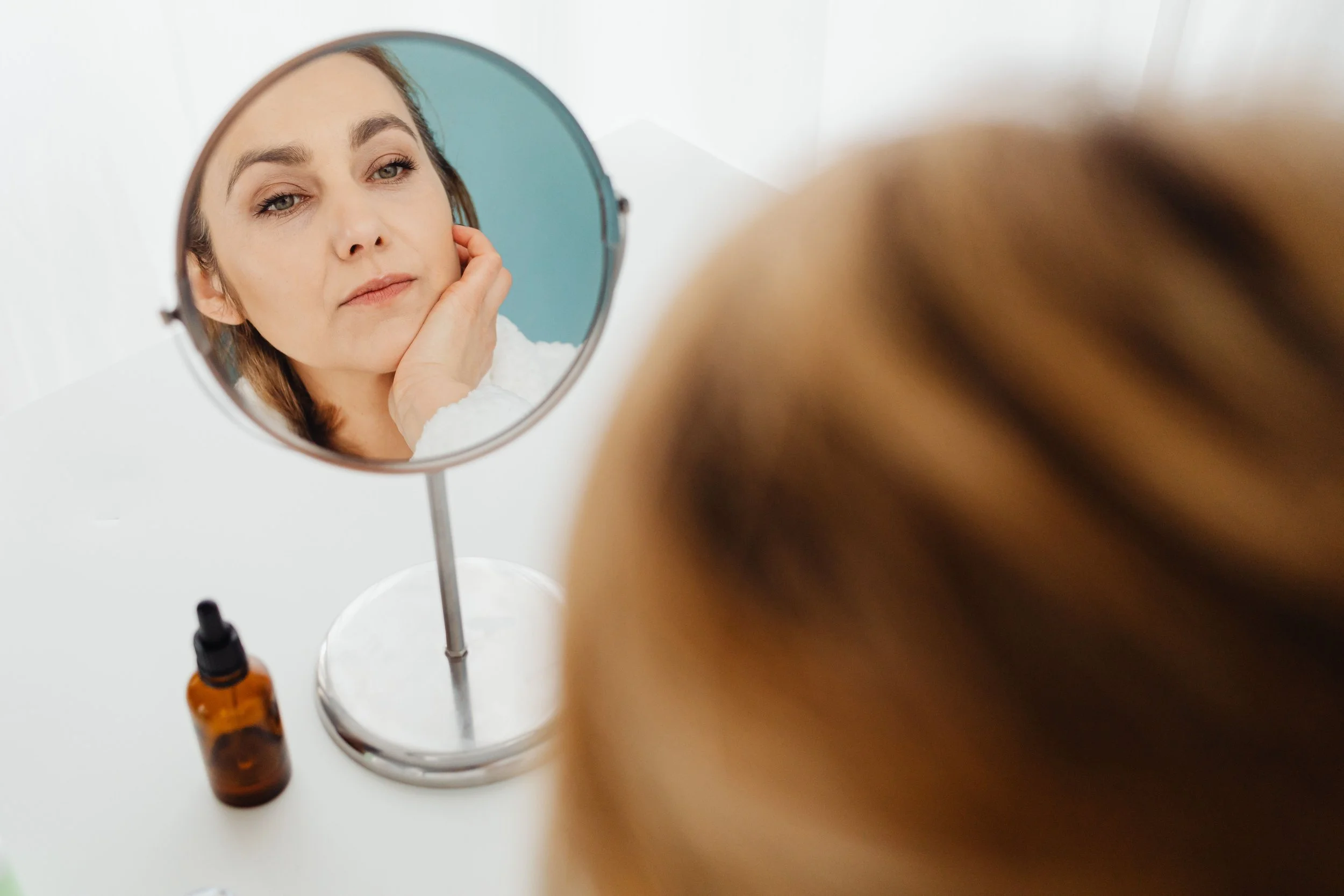
Estrogen is not just a reproductive hormone. It is an active regulator of skin health. It stimulates collagen production, supports the skin's natural hyaluronic acid production, helps maintain sebum levels, and keeps the skin barrier functioning effectively. In other words, estrogen quietly does significant work to keep the skin firm, hydrated, and resilient.
As estrogen levels begin to decline, typically in the early to mid-40s during perimenopause, all of those functions begin to shift. Research shows women can lose up to 30 percent of their skin's collagen in the first five years after menopause, and collagen continues declining at roughly two percent per year after that. This is not gradual aging. It is a structural change driven by a specific hormonal mechanism, and the skin reflects it.
What Does Hormonal Skin Change Actually Look Like?
Because the changes happen gradually and affect multiple aspects of skin function at once, they can be easy to attribute to other causes.
Which Skin Changes Are Connected to Hormonal Shifts?
Dryness is one of the most immediate and consistent changes, and it often feels different from seasonal dryness. The skin produces less natural oil and loses its ability to retain moisture efficiently, so even skin that was never particularly dry can suddenly feel tight, uncomfortable, or look dull in ways that products do not seem to fully fix. Increased sensitivity often comes alongside it, as the barrier becomes thinner and less resilient, skin that handled products and environmental stress without complaint can become reactive in ways that feel completely new. Texture changes, a slight roughness or unevenness, and slower cell turnover tend to follow as the hormonal support the skin relied on quietly diminishes.
Loss of firmness and definition, particularly along the jawline and under the eyes, becomes more visible as collagen and elastin break down faster than they are rebuilt. And for some women, hormonal fluctuations can trigger adult breakouts around the chin and jawline, even in skin that has never been acne-prone.
Related reading: What Stress Actually Does to Your Skin and How to Work With It
What Does Hormonally Changing Skin Need From Your Homecare Routine?
Understanding what is happening makes it much easier to choose the right products. The goal shifts from maintenance to active support, and a few key ingredients make a significant difference.
Which Ingredients Best Support Skin Through Hormonal Transition?
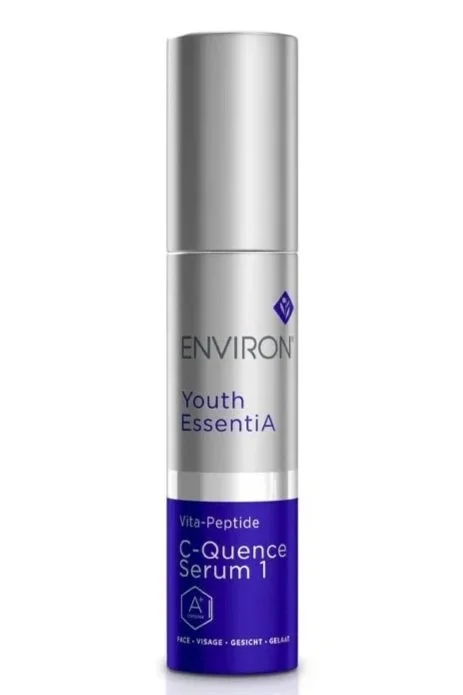
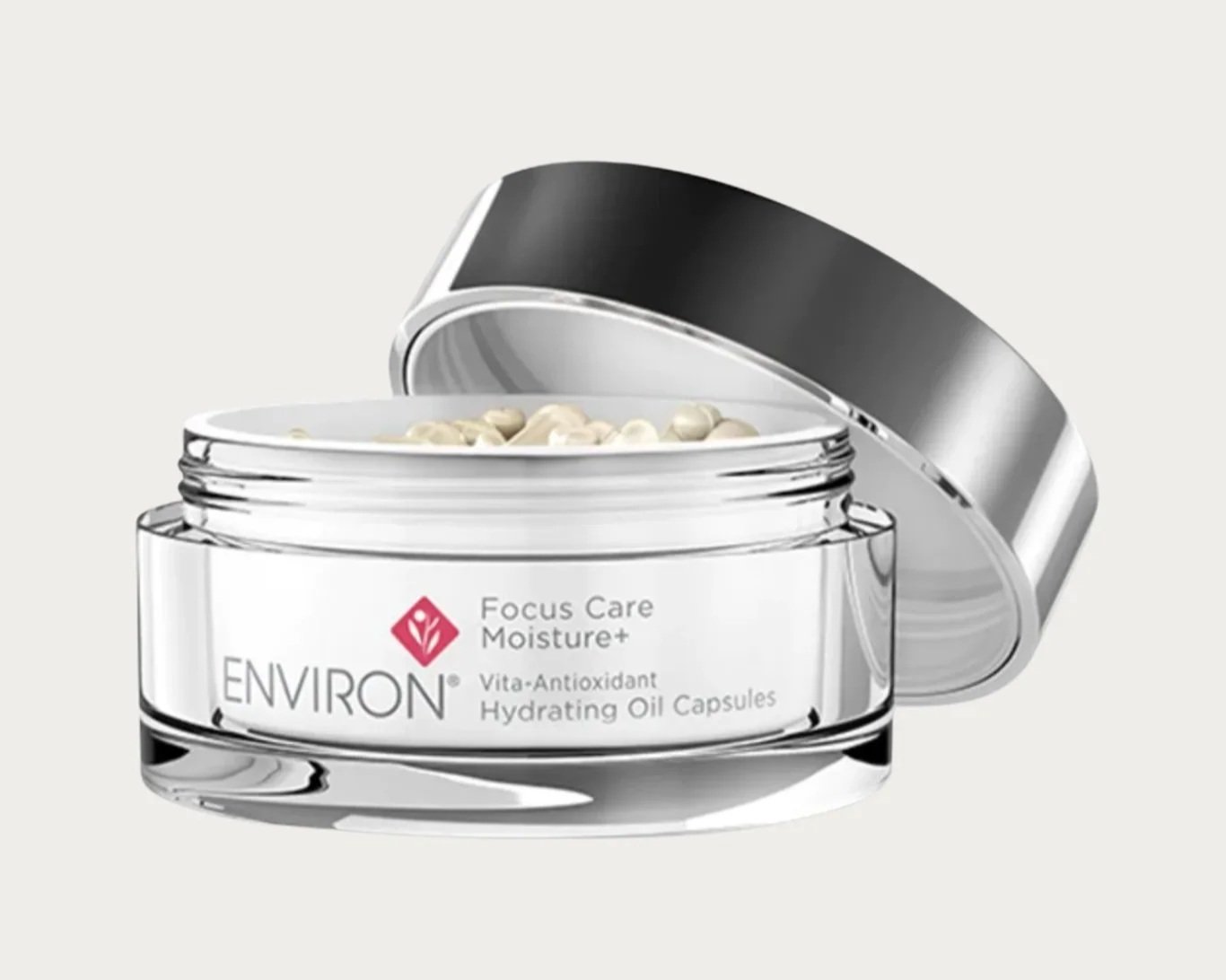
Vitamin A is the ingredient we come back to most consistently for skin in this life stage. It normalizes cell turnover, stimulates collagen production, and helps the skin function in a healthier, more youthful way over time. Environ's AVST step-up system is our preferred approach because it introduces Vitamin A gradually, building tolerance without irritation. The C-Quence range takes it further, pairing Vitamin A with Vitamin C and peptides for a more intensive collagen-supporting effect.
Peptides are equally important. As estrogen declines, the skin loses a primary signal for collagen synthesis, and peptides help fill that gap by communicating directly with skin cells to encourage production. The Environ Vita-Peptide series and Tri-Peptide Complex Avance Elixir are formulations we rely on for exactly this reason.
Hydration support becomes non-negotiable. As hyaluronic acid production decreases, layering a hydrating serum or toner before your moisturizer ensures the skin has the water-binding support it needs. Barrier-focused moisturizers like the iS Clinical Reparative Moisture Emulsion help compensate for the reduction in natural oils, keeping the skin protected and comfortable. And for days when sensitivity or redness flares, cold therapy is a simple and effective tool. A cold roller or cold water applied to the skin constricts blood vessels, calms reactivity, and reduces inflammation quickly. We incorporate this into every Signature Bespoke Facial, and it is just as easy to do at home.
How Does Professional Facial Care Support Skin During Hormonal Transition?
What your homecare routine does daily is essential, but professional care can work at a level products applied at the surface cannot fully reach on their own.
What Can Professional Treatment Do for Hormonally Changing Skin?
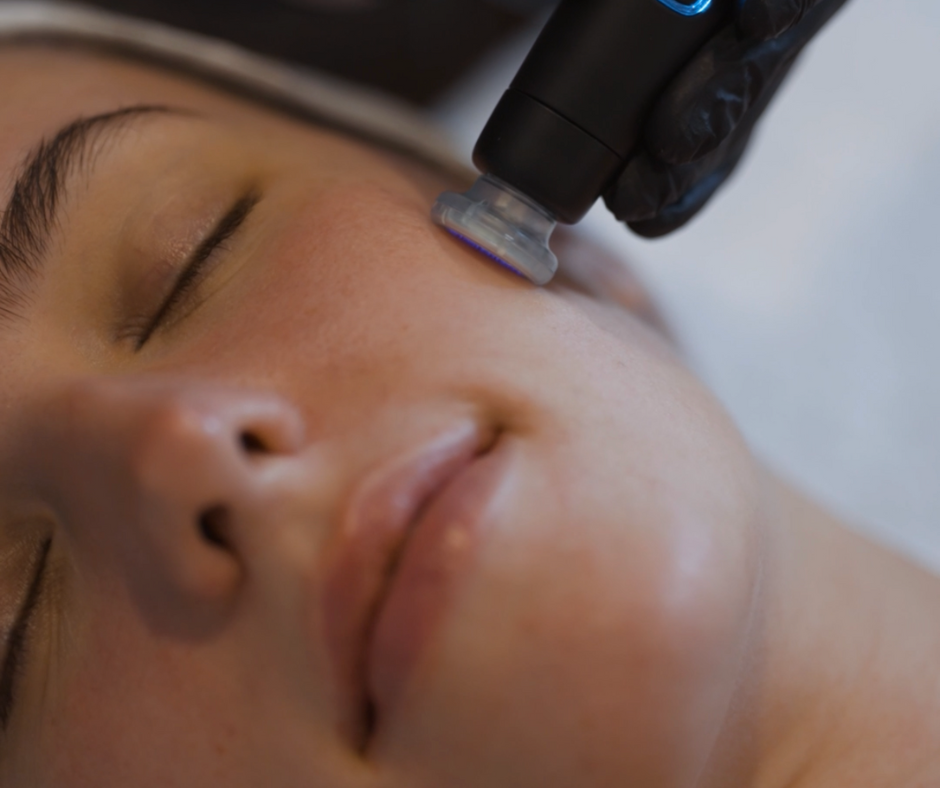
In our Signature Bespoke Facial, we assess the skin as it is that day and adjust the entire treatment accordingly, often focusing on barrier repair and deep hydration delivered through ultrasound sonophoresis. We track how the skin is responding at each visit and adjust over time rather than following a fixed protocol.
For more targeted support, our dedicated Microcurrent Facial stimulates the facial muscles and improves circulation, supporting the lift and tone that estrogen once helped maintain, while CoolJet Plasma with Exosomes works at a deeper cellular level to encourage collagen production and renewal. Both deliver cumulative results and work best with consistent appointments.
Related: Why Professional Facials Are an Essential Part of Any Skincare Plan
When Is the Right Time to Start Addressing Hormonal Skin Changes?
This is one of the questions we come back to most often, and the honest answer is earlier than most people think.
Should You Wait Until You Notice Significant Changes to Adjust Your Routine?
The most effective approach is proactive rather than reactive. By the time the changes feel significant, collagen loss and barrier thinning are already well underway. Starting to support the skin in your early to mid-40s means working with the skin's natural processes rather than trying to reverse what has already shifted.
This does not mean overhauling everything at once. It means making intentional adjustments, introducing Vitamin A if you have not already, adding a peptide product, reviewing your hydration layers, and maintaining consistent professional care. The skin in this life stage is still very responsive to the right support. The clients whose skin holds up best through this transition are almost always the ones who adjusted early and stayed consistent.
Your Skin at Every Stage Deserves the Right Support
Hormonal skin change is a normal part of life and it does not have to mean accepting a decline in how your skin looks and feels. With the right products, the right professional care, and a routine that reflects what your skin actually needs now, this can be a decade of real and visible improvement.
Come see us at JE'DERM skin atelier on the Upper West Side. We will assess your skin exactly where it is today and build a plan that supports it through every stage ahead.