
What Stress Actually Does to Your Skin and How to Work With It
Running a demanding career, navigating a full life in New York City, and maintaining the kind of discipline that keeps everything moving, that is a lot for any system to sustain, including your skin. Stress is not just a mental experience. It is a biological one, and your skin is one of the first places that biology becomes visible.
Understanding this connection is not about adding another item to your to-do list. It is about recognizing that the consistent, intelligent care you already invest in your skin matters even more during demanding seasons, and knowing why.
Why does stress show up on your skin?
The skin and the nervous system are more closely connected than most people realize. Your skin and brain actually develop from the same embryonic tissue, which is part of why stress shows up on the surface as quickly as it does.
What does cortisol do at a cellular level?

When the body perceives stress, it releases cortisol, the primary stress hormone. In short bursts, cortisol is useful. The problem begins when it stays elevated over time, which is a familiar reality for anyone managing a high-functioning life. At chronically elevated levels, cortisol breaks down collagen, the structural protein responsible for firmness and elasticity. It increases systemic inflammation, disrupts the skin barrier by interfering with ceramide and fatty acid production, and slows cell turnover, the process your skin relies on to shed old cells and reveal fresh, clear ones underneath.
Why does stressed skin age faster?
The cumulative effect of sustained cortisol elevation is accelerated aging. Collagen breaks down faster than it can be rebuilt, the barrier becomes less effective, and cell renewal slows so the surface looks dull and uneven rather than bright and smooth. This is why a sustained period of stress often shows on the face in a way that feels disproportionate to the time that has passed.
Related reading: Hormones and how they affect your skin’s health
What does stress-related skin change look like?
Stress does not always announce itself dramatically on the skin. More often, it accumulates quietly over weeks and months, and the changes are subtle at first.
Can stress cause breakouts even if you are not acne-prone?
Yes, and this is one of the most frustrating skin experiences we see. Elevated cortisol triggers a surge in androgen hormones, which stimulates oil production and congestion even in skin that has never been acne-prone. These breakouts tend to appear around the jawline and chin, are often deeper and more painful than typical surface congestion, and take longer to resolve because the hormonal trigger is still active. For those who are already acne-prone, stress pushes breakouts into more persistent or inflamed territory that is harder to calm. In both cases, what you are seeing is a hormonal response, not a sign that your routine has stopped working.
How does cortisol affect skin texture and radiance?
When cell turnover slows, dead skin cells accumulate on the surface faster than they shed, and the result is a flat, tired-looking complexion that does not respond to products the way it normally would. Dehydration tends to follow, because a disrupted barrier cannot hold onto moisture efficiently even when the right products are in place. Foundation catches on texture you did not notice before. Skin that used to rebound quickly takes longer to settle.
How do you protect and support your skin during demanding seasons?
The answer is not always doing more. Stressed skin often responds better to precision than to intensity, and overwhelming an already-taxed barrier with aggressive actives is one of the most common ways people inadvertently make things worse.
What should you prioritize in your homecare routine when stress is high?
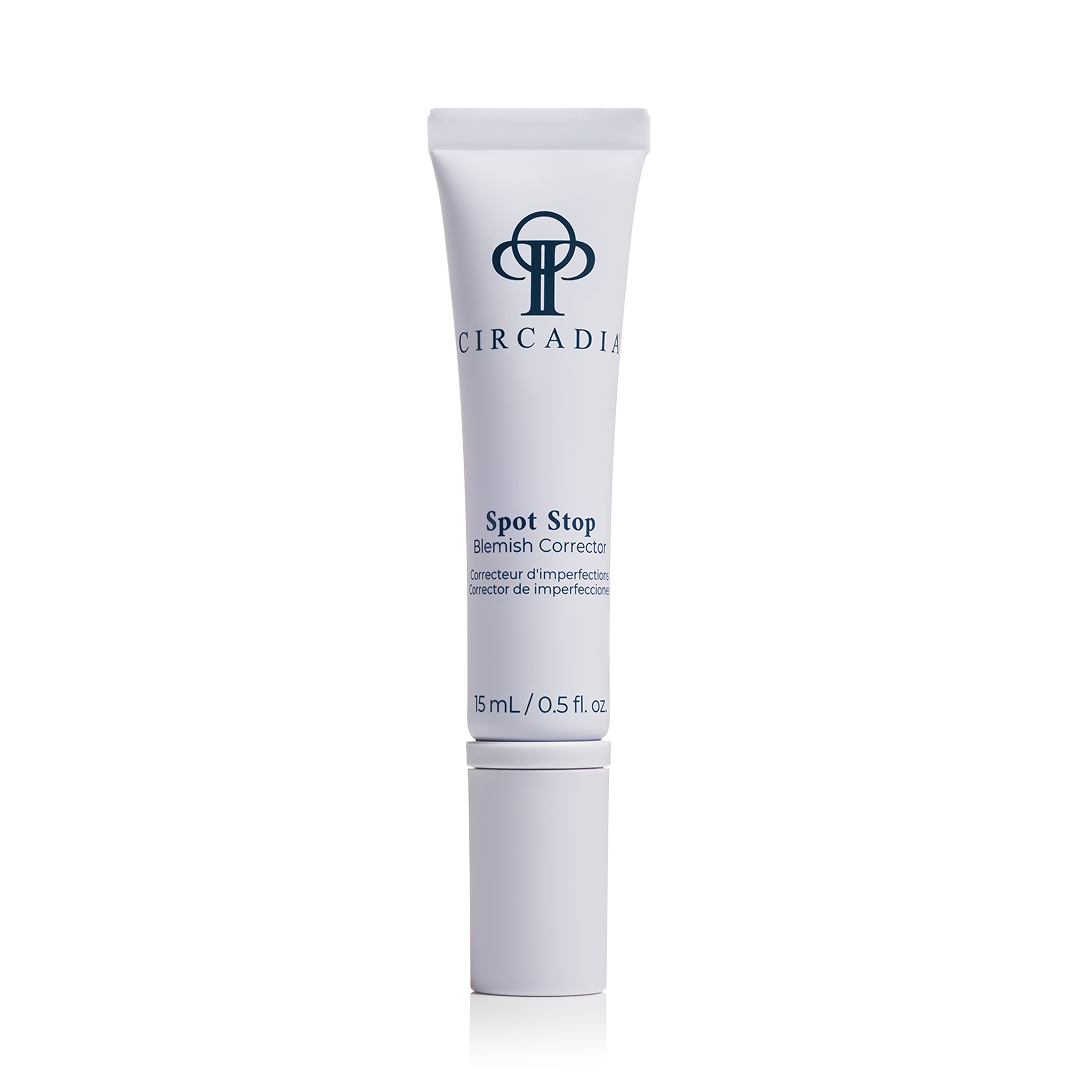
Barrier support becomes the first priority. That means leaning on ceramides, peptides, and Vitamin A to help the skin normalize and rebuild from within. Environ's AVST moisturizers use a step-up system of Vitamin A that gradually strengthens the barrier without disruption, and iS Clinical's Reparative Moisture Emulsion delivers concentrated antioxidant support for reactive or compromised skin. Gentle exfoliation also has a place here, used carefully to keep the surface clear and receptive without further stressing the barrier. And if stress-related breakouts are part of the picture, Circadia's Spot Stop is a targeted treatment we rely on for both occasional and persistent congestion, effective without being harsh on already-reactive skin.
Related: Peptides and Longevity: Anti-Aging That Actually Works
Why does cadence matter more when life is demanding?
There is a reason we structure care around a four to six week rhythm. Skin renewal operates on a cycle, and professional treatments spaced within that cycle create a cumulative effect that single sessions cannot replicate. When stress is elevated, that rhythm becomes even more important, because your skin's natural repair mechanisms are already running behind. Keeping your appointments is, in a real sense, the maintenance that counteracts what cortisol is working to undo.
How does professional treatment support skin under stress?
What happens during a Signature Bespoke Facial when stress is high?
Signature Bespoke Facial
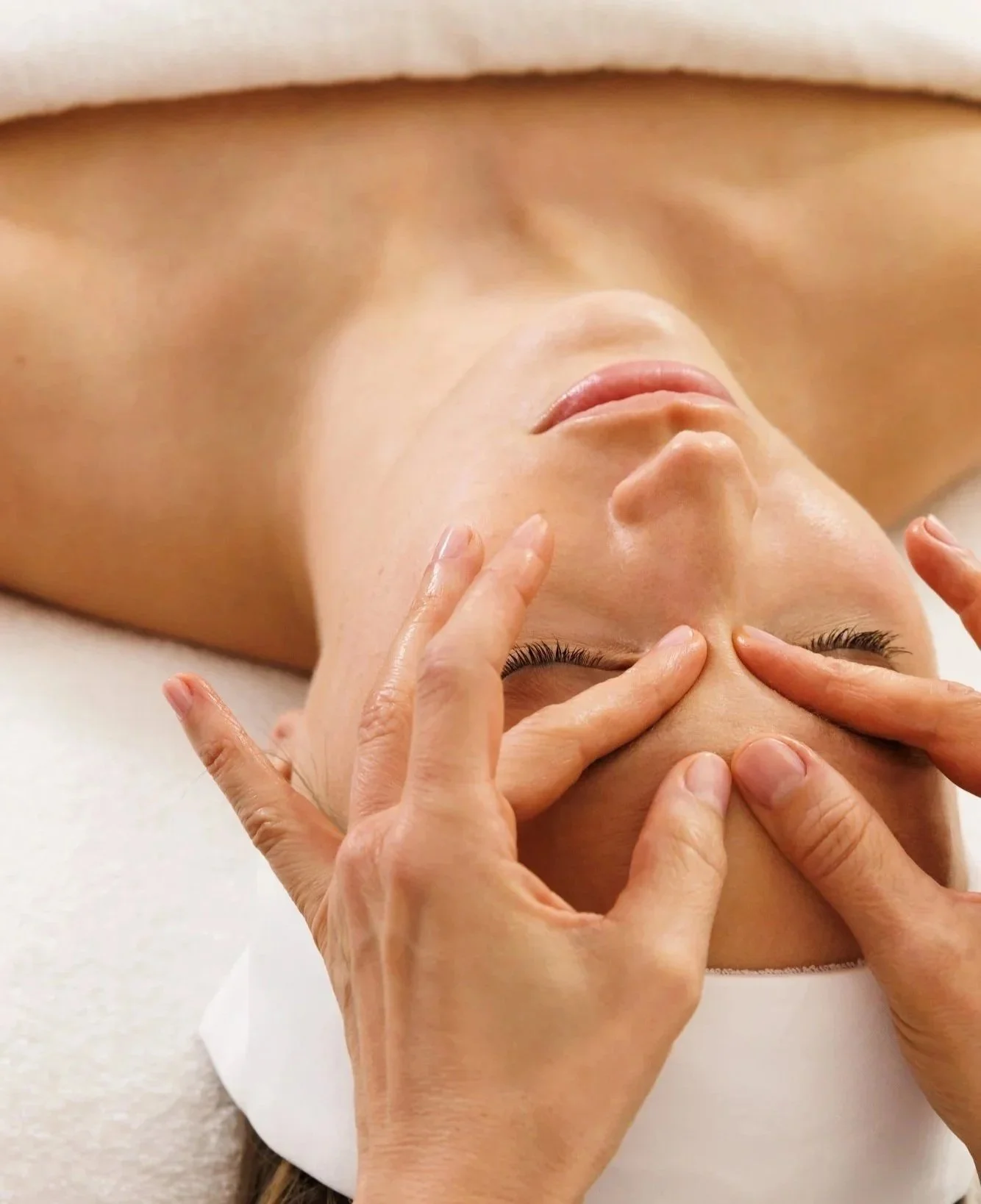
In our Signature Bespoke Facial, we assess the skin as it presents that day. When we see signs of stress, whether that is barrier disruption, inflammation, or reactive texture, we adjust the treatment to focus on repair and restoration first. That might mean gentle exfoliation followed by concentrated hydration delivered through low-frequency ultrasound sonophoresis, which carries active ingredients deeper than topical application can reach on its own. Red and green LED therapy are built into every Bespoke Facial: red light stimulates collagen production and reduces inflammation at a cellular level, while green LED targets the redness and uneven tone that stress-related inflammation tends to leave behind.
How does CoolJet Plasma with Exosomes support stressed skin?
For clients experiencing more significant stress-related change, such as persistent inflammation, accelerated collagen loss, or deeper textural shifts, CoolJet Plasma with Exosomes takes cellular repair further. It is one of our most effective tools for calming inflammation in the skin while simultaneously delivering growth factors that support regeneration and collagen rebuilding at a level topical products simply cannot reach.
Related reading: What Are Exosomes? Their Use in Skin Treatments
What is the broader connection between how you live and how your skin holds?
Skincare does not exist in isolation from the rest of your life. Sleep, nutrition, movement, and recovery all affect cortisol regulation, which affects the skin directly. The consistency and intention you already bring to your care are working in your skin's favor even when a demanding season makes it hard to see.
When your skin needs more support than homecare alone can provide, we are here to fill the gap. Come see us, and let us build a plan that holds through whatever the season brings. You can book your appointment here.