
Dry January and Your Skin: What Happens When You Skip Alcohol
If you're participating in Dry January, you're probably doing it for a variety of reasons, whether it's to reset after the holidays, support your overall health, or simply prove to yourself that you can. But here's something you might not have considered: your skin is about to get a serious upgrade.
Don't get us wrong, we do love a good glass of wine, but we need to be honest, alcohol affects our skin in ways that are both immediate and cumulative. We see it every year at JE'DERM skin atelier. Clients who take a break from alcohol during January come in with noticeably different skin, brighter, more hydrated, calmer, and often surprised by how much better they look and feel. The connection between alcohol and skin health is real, and the benefits of skipping it, even temporarily, can be dramatic.
So what exactly happens to your skin when you stop drinking? And how can you maximize those benefits during Dry January and beyond? Let's break it down.

How does alcohol affect your skin?
To understand why taking a break from alcohol improves your skin, we need to talk about what alcohol actually does to your body and, by extension, your skin.
Does alcohol dehydrate your skin?
Yes, and significantly. Alcohol is a diuretic, which means it increases urine production and causes your body to lose more water than usual. When you drink, your body prioritizes getting rid of the alcohol, and hydration takes a backseat. The result is dehydration, not just in your body but in your skin too.
Dehydrated skin looks dull, feels tight, and shows fine lines more prominently. Your skin's natural moisture barrier weakens, making it harder to retain hydration even when you're drinking water or using moisturizer. Over time, chronic dehydration from regular alcohol consumption accelerates visible signs of aging, from deeper wrinkles to loss of elasticity.
When you stop drinking, even for a few weeks, your body rehydrates more effectively. Your skin starts holding onto moisture better, your complexion looks plumper and more radiant, and those fine lines that seemed so pronounced? They soften.
How does alcohol trigger inflammation in your skin?
Alcohol is inflammatory, plain and simple. When you drink, your body releases histamines and other inflammatory compounds as it tries to process and eliminate the alcohol. This systemic inflammation shows up on your skin in several ways.
You might notice redness, puffiness, especially around the eyes and cheeks, increased sensitivity or reactivity to products that normally don't bother you, or flare-ups of conditions like rosacea, eczema, or acne. For people prone to redness or rosacea, alcohol is one of the most common triggers. It dilates blood vessels in your face, which over time can lead to persistent redness and visible broken capillaries.
When you eliminate alcohol, even temporarily, inflammation drops. Your skin calms down. Redness fades. Puffiness decreases. If you have rosacea or sensitive skin, you'll likely notice the biggest difference here.
Does alcohol damage your skin barrier?
Your skin barrier is the outermost layer of your skin, the protective wall that keeps moisture in and irritants out. Alcohol weakens this barrier in multiple ways. It depletes essential lipids that hold your skin cells together, reduces your skin's ability to repair itself overnight, and makes your skin more vulnerable to environmental stressors like pollution and harsh weather.
A compromised barrier leads to a cascade of problems: chronic dryness, increased sensitivity, more frequent breakouts, and accelerated aging. When you stop drinking, your skin barrier gets a chance to rebuild. Your skin becomes more resilient, better at retaining moisture, and less reactive overall.
Related reading: How Indoor Heating is Silently Damaging Your Skin This Winter
What changes can you expect during Dry January?
The timeline for visible skin improvements varies from person to person, depending on how much you typically drink, your skin type, and your overall skincare routine. But most people notice changes within the first few weeks. Your skin rehydrates, inflammation decreases, your barrier begins to repair, and your complexion brightens. These changes happen gradually but build on each other, so by the end of the month, the cumulative effect can be dramatic.
How can you support your skin during Dry January?
Taking a break from alcohol gives your skin a chance to reset, but you can amplify those benefits by supporting your skin with the right routine and habits.
What skincare adjustments should you make?
For your skincare routine, focus on barrier-supporting ingredients. Products with hyaluronic acid, ceramides, and niacinamide help your skin rebuild and retain moisture. Using cleansers that are more gentle to the skin as well as a toner that helps to rebalance and protect the pH of our skin. We love Environ's Mild Cleansing Lotion as well as the Moisturizing Toner (Hailey Bieber's favorite toner) for deep hydration and protection.
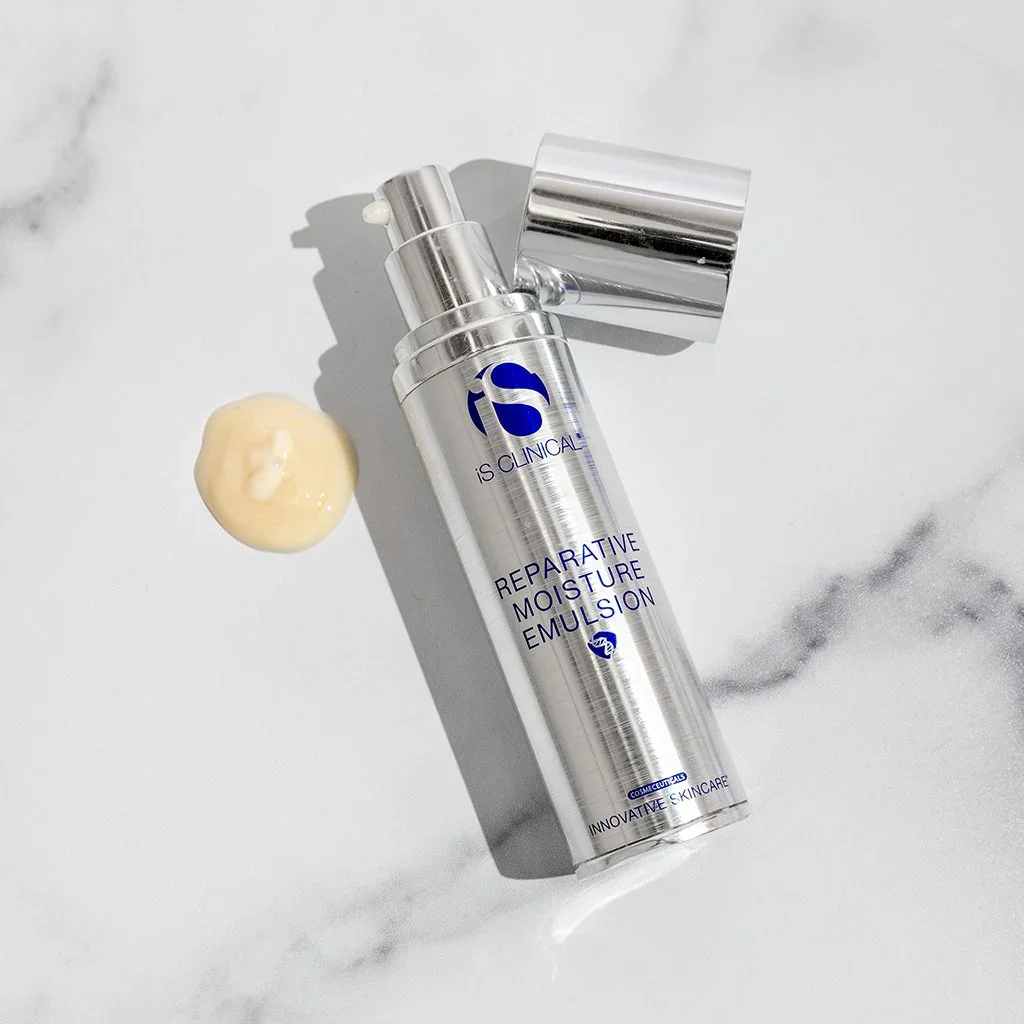
Layer in a good serum with barrier-supporting ingredients. Hyaluronic acid, niacinamide, and Vitamin C like IS Clinical’s Pro Heal Serum are all excellent choices. Then seal everything in with a moisturizer that focuses on barrier repair. iS Clinical's Reparative Moisture Emulsion is one of our favorites for this, it's rich in antioxidants and ceramides that help rebuild your skin's protective barrier while locking in hydration.
If your skin is particularly dry or stressed, consider adding Environ's AVST 1 to your routine. It's a gentle introduction to vitamin A, which supports skin health and repair without irritation.
And of course, SPF is non-negotiable.( Extreme protect SPF30 )Just because it's winter doesn't mean UV rays aren't damaging your skin. Protecting your skin while it's recovering is essential.
Related reading: Morning Skincare Dilemma: Should You Use a Cleanser?
How important is hydration from within?
Extremely important. Now that you're not dehydrating your body with alcohol, make the most of it by drinking plenty of water. Your skin cells need water to function properly, and when you're well-hydrated, your skin shows it.
Aim for consistent water intake throughout the day. Herbal teas, broths, and water-rich foods like cucumbers, celery, and citrus fruits all count. You'll notice that your skin feels softer, looks plumper, and maintains that glow more easily when you're properly hydrated from the inside out.
Does sleep quality matter for skin during Dry January?
More than you might think. Alcohol disrupts sleep quality, even if it helps you fall asleep initially. It interferes with REM sleep, which is when your body does most of its repair work, including skin cell regeneration and collagen production.
When you stop drinking, your sleep quality typically improves. You spend more time in restorative sleep stages, which means your skin has more time to repair, renew, and rebuild. The result is skin that looks more rested, less puffy, and noticeably healthier.
Related reading: Sleep and Skin Health: How Sleep Affects Your Skin
Should you add professional treatments during Dry January?
Absolutely. This is an ideal time to invest in professional skincare because your skin is primed to respond well. Without the ongoing inflammation and dehydration caused by alcohol, treatments can work more effectively and deliver better results.
Our Signature Bespoke Facial is perfect for this phase because we tailor it to exactly what your skin needs. If your skin is dehydrated and dull, we'll focus on intensive hydration with oxygen therapy, LED light therapy, and deeply nourishing masks. If you're dealing with congestion or texture issues, we can incorporate gentle exfoliation and extractions. If your skin is sensitive or inflamed, we'll focus on calming and strengthening your barrier.
The beauty of our bespoke approach is that we assess your skin that day and adjust the treatment accordingly. Your skin during week one of Dry January might need something different than week three, and we adapt to meet those needs.
What happens to your skin after Dry January ends?
Here's the thing about Dry January: it's not just about proving you can go a month without drinking. It's about giving your body and your skin a reset, and often, it's about gaining awareness of how alcohol actually affects you.
Many of our clients who do Dry January end up moderating their alcohol intake long-term because they see and feel such a dramatic difference. They realize that the occasional glass of wine is fine, but regular drinking was quietly undermining their skin health in ways they didn't fully recognize.
If you do choose to drink again after January, consider these tips to minimize the impact on your skin. Drink water between alcoholic beverages to stay hydrated, stick to clear spirits like vodka or gin, which tend to be less inflammatory than darker liquors, avoid sugary mixers, which amplify inflammation and skin issues, and always, always remove your makeup and do your full skincare routine before bed, no matter how tired you are.
Give your skin the reset it deserves at JE'DERM skin atelier
Dry January is a powerful opportunity to see what your skin is truly capable of when it's not fighting against dehydration and inflammation. The difference can be genuinely transformative, and once you see it, you'll understand just how much alcohol was holding your skin back.
At JE'DERM skin atelier, we're here to support your skin through this reset and beyond. Whether you're looking for professional treatments to amplify your Dry January results or you want guidance on building a routine that keeps your skin healthy year-round, we're here to help.
Ready to see what your skin can do? Book your Signature Bespoke Facial and let's give your skin the support it deserves this January.