
Chemical Peels After Summer: Why Fall Is the Season for a Deeper Reset
If you come in for your facial every month, you already know what consistent care does for your skin. Summer is a different story. Even with daily SPF and the best intentions, long New York summer days leave their mark, and by October many of us notice it in the mirror: a few new spots, a less even tone, and texture that feels rougher than it did in spring.
This is why we love fall. Your monthly facial keeps your skin in great shape, and this is the season to add something deeper alongside it, a chemical peel that helps reset what summer left behind.
Related reading: Why Is Fall Considered Chemical Peel Season?
Why does your skin need more than a monthly facial this fall?
Think of your facial as maintenance. It cleanses, hydrates, supports your barrier, and keeps your skin working well from month to month. A peel works on a different level, encouraging your skin to renew itself more actively.
After months of sun, heat, and travel, pigment collects unevenly and skin can look tired even when it feels healthy. The lower UV levels of fall and winter give your skin calm conditions to recover after a peel, which is why we save our deeper work for this time of year.
What can a chemical peel do for your skin?
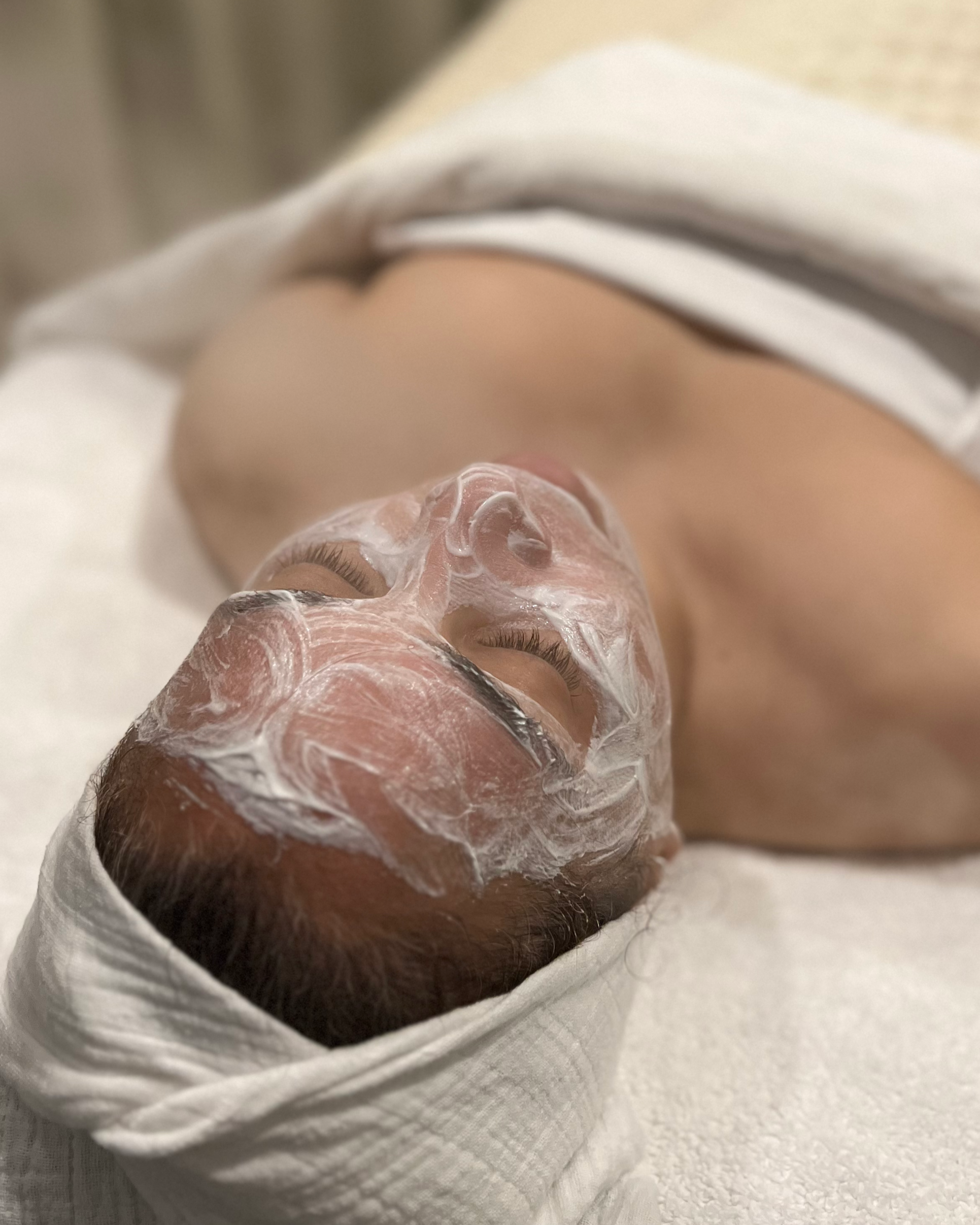
A chemical peel does much more than clear away dead skin cells. The acids send a signal to the living layers underneath, and your skin responds by changing the way it works. Depending on the peel, it can:
Renew your cells: fresher, smoother cells form and reach the surface sooner.
Support collagen and elastin: peels activate fibroblasts, the cells that build them, which over time can soften fine lines and wrinkles.
Even out pigment: acids like lactic and mandelic help break up clustered pigment and slow the production of new pigment.
Hydrate from within: lactic acid helps your skin make more of its own natural moisture.
Clear your pores: salicylic acid moves into the oil inside pores to help with congestion and breakouts.
So the change goes deeper than smoother skin. Your skin renews itself in a healthier way, and your homecare has a clear path to work.
Do you need to be afraid of a chemical peel?
Not at all. If the word peel makes you think of Samantha in Sex and the City, hiding her red, raw face behind a veil at Carrie's book party, you are not alone. Peels have come a long way since then, and every peel we use is chosen and adjusted with your comfort in mind.
Different peels work in different ways
Visible peeling is not the only sign that a peel is working. Some peels, like MandeliClear, lift away the surface over several days to reach deeper pigment. Others, like the Environ Cool Peel, work quietly beneath the surface with little or no visible peeling. Both can bring beautiful results. We adjust the strength to your skin that day and incorporate LED light therapy into the treatment to calm and support recovery.
Why a low pH matters more than a high percentage
People often compare peels by percentage, but the pH tells us more. It shows how much of the acid is free and active, ready to work on your skin. The lower the pH, the more active the acid, so a high percentage peel with a higher pH can be milder than it sounds, while a low percentage peel with a low pH can be very effective. The Cool Peel combines low percentages with a low pH in a cream or gel that releases slowly, which gives us real results with precise control.
Read more: What Different Types of Chemical Peels Do for Your Skin
How do you choose the right chemical peel for your skin type?
We work with two peels, and we love them both. The right one depends on your skin, your goals, and how much time and downtime fit your life right now.
Environ Cool Peel: results with minimal to no downtime
Our Cool Peel uses lactic and TCA acids in creams and gels, chosen for your skin. It prompts your cells to release growth factors that support collagen while refining texture, evening tone, and improving the look of sun damage. Most clients notice only slight dryness or light flaking. For anyone who wants visible change without stepping away from their calendar, this is the peel we recommend.
Circadia MandeliClear: a deeper peel for pigmentation and acne
MandeliClear combines mandelic acid from bitter almonds with lactic and salicylic acids, so it works on stubborn pigmentation and breakouts at the same time. Mandelic acid has a larger molecule and moves into the skin gradually, which makes this peel well suited to a wide range of skin tones, including deeper ones. It comes with more downtime than the Cool Peel and includes a take home kit. Because one treatment does more of the work at once and can be repeated every two to three months, it is also a wonderful choice if coming in every week does not fit your schedule.
Related: How Effective Are Chemical Peels for Acne and Scarring?
One peel or a series?
One peel can leave your skin looking fresher, but the most meaningful changes come from consistency, the same way your monthly facials build on each other.
Why a Cool Peel series brings better results
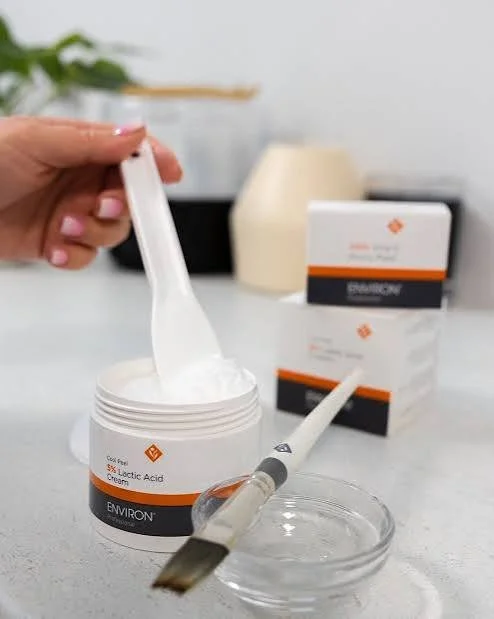
Each Cool Peel picks up where the last one left off. When you come back a week later, your skin is still in the renewal phase the previous peel started, so the changes add up in a way a single peel cannot. We offer a series of three or six, one week apart or two weeks at most. Three is a lovely seasonal reset, while six gives deeper pigment, lines, and texture more time.
How vitamin A at home supports your results
To get the best results over time, we recommend using a vitamin A moisturizer at home, such as Environ's AVST or C-Quence range, starting at least three weeks before your first peel. Vitamin A helps your skin arrive stronger and respond more evenly to each treatment. There is no need to stop between peels, and once your series is complete, it helps you hold on to what you have built.
Related reading: Retinol for Beginners: How to Start Using Retinol Without Irritation
How might your skin change after a peel series?
By the end of a series, you might notice that your skin feels smoother to the touch, that fine lines around your eyes and mouth look softer, and that the spots summer left behind look lighter and less defined. Because collagen keeps forming after your last peel, some of these changes can continue to develop in the weeks that follow. Every skin responds at its own pace, so we look at your progress at each visit and adjust as we go. Daily SPF protects your results, and any spot that is new or changing is always worth showing your dermatologist.
Start your fall peel series at JE'DERM skin atelier on the Upper West Side
Your monthly facial cares for your skin all year, and a fall peel series gives it a fresh start after summer. We choose the right peel, prepare your skin properly, and stay with you through every step.
If you are new to the atelier, we will begin with a Signature Bespoke Facial so we can get to know your skin before your first peel. You can find both peels and our series options on our Chemical Peels in NYC page, and our Facial Packages make it easy to plan your season.
Ready for your fall reset? Book your chemical peel series