
Dry but Breaking Out at the Same Time? Why Winter Acne Happens
If your skin feels tight and dehydrated but you are still breaking out, you are dealing with one of winter's most frustrating contradictions. You are probably wondering how your skin can feel dry and uncomfortable and still be breaking out at the same time.
This combination is far more common than most people realize during New York winters, especially this year with temperatures colder than we've seen in years. Cold air, strong winds, indoor heating, and low humidity create the perfect environment for barrier disruption, dehydration, and congestion to exist all at once. Winter acne is not the same as traditional acne, and understanding what is happening in your skin is the first step to treating it correctly.
Why Winter Skin Can Be Dry and Still Break Out

During winter, the skin is under constant environmental stress. Cold outdoor air contains very little moisture, while indoor heating continuously pulls hydration from the skin, weakening the barrier that is responsible for keeping water in and protecting the skin from irritation.
As the barrier becomes compromised, the skin loses hydration more easily and begins to feel dry, tight, or flaky. At the same time, those excess dry skin cells are not shedding properly. Instead, they accumulate on the surface of the skin and mix with oil, which can easily clog pores and lead to congestion.
When skin is dehydrated and flaky, it often produces more oil in an attempt to protect itself and restore balance. That oil becomes trapped beneath layers of compacted skin cells, which explains why breakouts can form even when the skin feels dry and uncomfortable. This combination leads to inflammation, congestion, and breakouts that often feel deeper and slower to heal than typical acne.
Related reading: How Indoor Heating Is Silently Damaging Your Skin This Winter
The Moisturizer Mistake Many People Make in Winter
A common misconception is that dry winter skin simply needs a heavier moisturizer. But dehydration is water loss, not oil loss. While heavy and thick moisturizers help seal hydration in, they do not adequately replace water that has already been lost. If hydration is not addressed first, heavier creams can sit on the surface of the skin without improving how it actually feels.
Occlusive moisturizers like Post-peel balm can be very helpful as a final step, especially during winter, but they work best when layered over products that deliver water to the skin. Without hydration underneath, occlusives simply seal in dryness rather than improving it.
Another issue occurs when products are layered over dry, compacted skin cells. When that buildup is present, hydration cannot penetrate effectively, leaving skin feeling coated, congested, and still dry underneath.
If you know us, you know that one of our favorite sayings is: "Listen to your skin." Winter often means your skin's needs have changed, and adjusting your approach based on how your skin feels day to day is more effective than following the same routine year-round.
What Actually Helps Dry Skin and Winter Breakouts
Cleanse Without Stripping the Skin
Cleansing is the foundation of any routine, and in winter it becomes especially important to avoid stripping the skin. Harsh or overly foaming cleansers can disrupt the barrier and worsen dehydration, leading to increased oil production and congestion over time.
Gentle cleansers such as Environ Low Foam Cleanser and iS Clinical Cleansing Complex remove impurities effectively while keeping the skin comfortable and balanced. After cleansing, skin should feel clean and refreshed, never tight or squeaky.
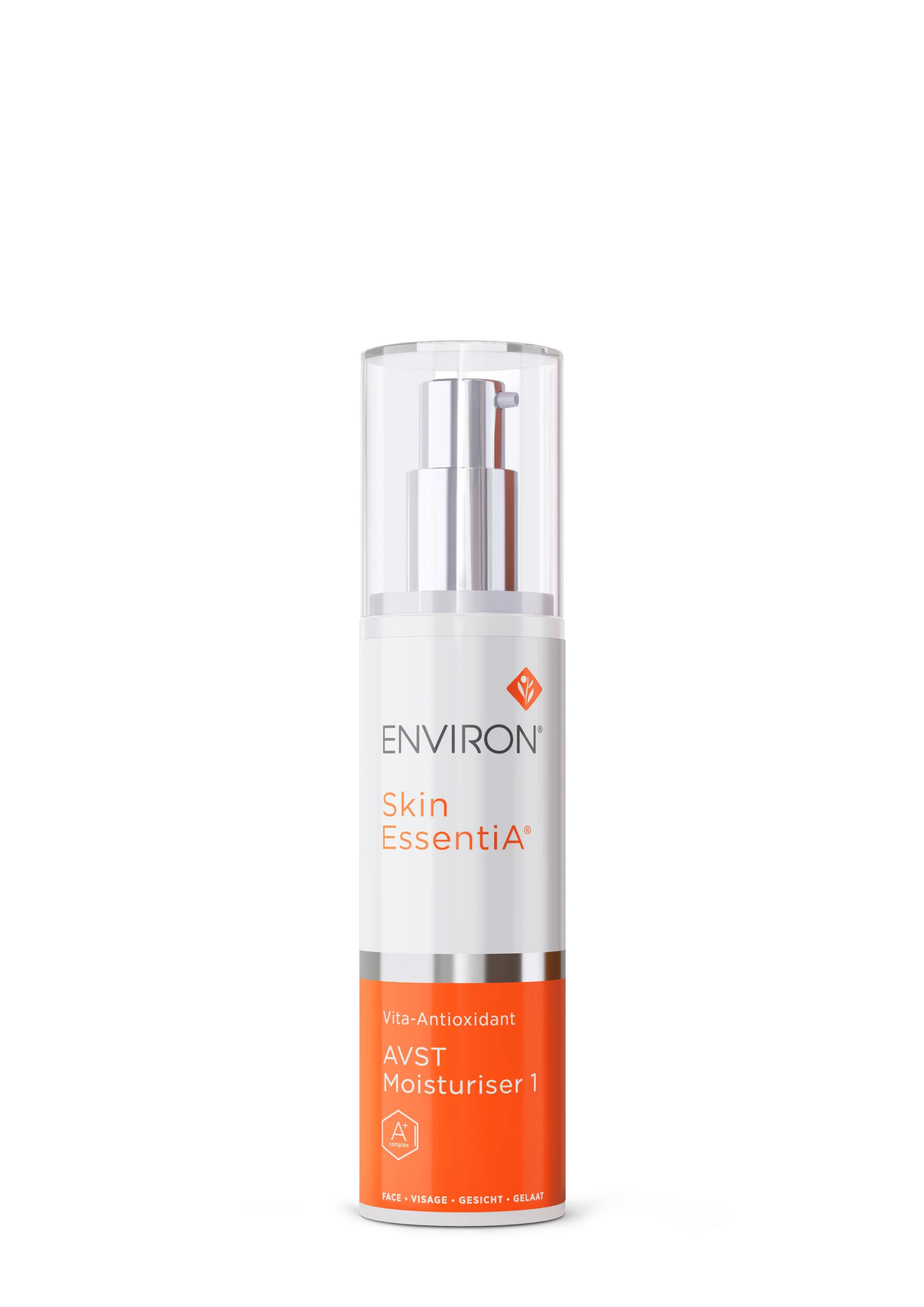
Support the Barrier, Normalize Oil, and Strengthen Skin With Vitamin A
Vitamin A is essential for healthy skin function and plays a major role in regulating oil production, supporting the barrier, and improving overall skin health. When skin is dry, congested, or breaking out during winter, Vitamin A helps the skin function more normally rather than relying on quick fixes.
Environ's AVST Moisturizers are designed with a step-up system that allows the skin to gradually adjust to increasing levels of Vitamin A. This makes Vitamin A suitable for everyone by starting at a lower concentration and progressing over time as the skin becomes stronger and more resilient.
Using AVST consistently strengthens the skin, supports barrier health, improves hydration retention, and helps regulate oil production, making it a foundational part of skincare rather than something to cycle in and out.
When Skin Needs Extra Moisture and Barrier Comfort
During winter, some skin types need additional moisture and comfort alongside their active routine. iS Clinical Reparative Moisture Emulsion provides deeper moisturization and barrier support in a lightweight texture that works well for breakout-prone skin.
Some people prefer using Reparative Moisture Emulsion in the morning and AVST at night, while others adjust based on how their skin feels day to day. Both approaches support barrier health and can be adapted throughout the winter season.
Hydration and Layering Support for Winter Skin
Hydration is essential for restoring balance when skin feels dry and congested at the same time. Perfect B3 Spray Toner delivers lightweight hydration while providing niacinamide, which helps regulate oil production, calm inflammation, and support the barrier. It is especially helpful when skin feels reactive or easily dehydrated. Environ Hydrating Toner adds another layer of hydration that helps soften the skin and improve moisture retention, making it easier for moisturizers and treatments to absorb effectively.
Do Not Be Afraid of the Right Oils
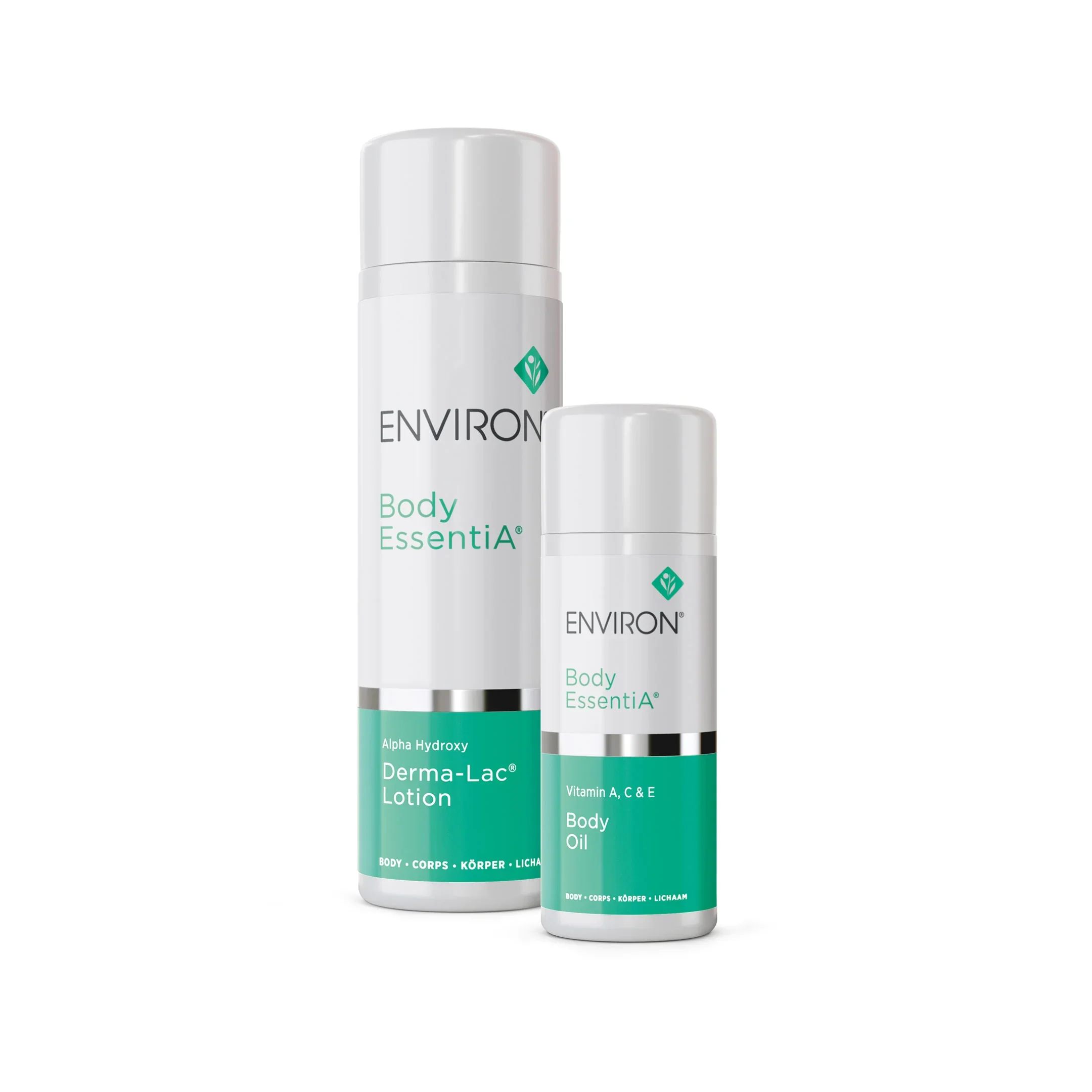
Oils are often misunderstood, particularly for acne-prone skin, but the right oils can be extremely supportive during winter. When the barrier is compromised, oils help reduce moisture loss and reinforce the skin's protective layer.
Environ A,C,E Oil is rich in antioxidants and supports the lipid barrier. Although traditionally used on the body, it can be very beneficial for acne-prone skin when used intentionally. A few drops can be mixed into a moisturizer, pressed into the skin at night, or layered based on skin needs.
Pairing A,C,E Oil with Environ Derma-Lac Lotion offers another supportive option during winter. Derma-Lac helps smooth dry, compacted skin while supporting hydration, allowing oils and moisturizers to absorb more effectively.
Gentle Exfoliation to Clear the Path for Hydration
Exfoliation still plays an important role in winter skincare, but it should always be gentle and intentional. When excess dry skin cells build up, hydration cannot penetrate properly and congestion becomes more likely.
iS Clinical Active Serum can be used daily based on skin tolerance to support gentle exfoliation, while Environ Hydrating Clay Masque can offer a weekly treatment that clears impurities without stripping moisture.
Treat Breakouts Without Over-Drying
During winter, spot treating is far more effective than applying acne treatments across the entire face. Circadia Spot Treatment targets blemishes directly without drying the surrounding skin. Applying it only where needed helps breakouts heal while keeping the rest of the skin balanced and protected. If you’re dealing with large, painful pimples, a simple icing technique can offer relief. Wrapping ice in a clean cloth and applying it to the area narrows blood vessels under the skin, reducing redness and discomfort.
Small Winter Habits That Support Your Skin
What helps:
Use lukewarm water when cleansing
Pat skin dry instead of rubbing
Apply hydration immediately after cleansing
Run a humidifier at night
Don't forget SPF, even in winter
What makes it worse:
Long hot showers
Over-washing your face
Picking at blemishes
When Professional Support Can Help
If you have adjusted your routine and focused on hydration and barrier support for several weeks with little improvement, professional care can help support the skin through the winter season. While one treatment can feel good, consistency is what will bring long-term health and results.
Our Signature Bespoke Facial is customized based on how your skin presents that day, allowing treatments to support hydration, calm inflammation, and address congestion without compromising the barrier. We use different modalities to help the skin, such as LED light therapy to reduce inflammation and kill bacteria, oxygen to hydrate and calm the skin, and more.
Clear Skin Starts With Balance
Winter acne can feel frustrating and confusing, but it is often a sign that the skin needs support rather than stronger treatments. By focusing on hydration, barrier repair, gentle exfoliation, and balanced acne care, the skin can rebalance even in harsh winter conditions.
At JE'DERM skin atelier, we focus on helping your skin adapt to the realities of New York winters so it can feel comfortable, resilient, and clear again.